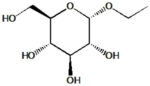



Ethyl α-D-glucopyranoside is a chemically synthesized glycoside derivative of D-glucose, where the anomeric hydroxyl group is replaced by an ethyl group in the α-configuration. This compound typically appears as a white crystalline solid and serves as an important building block in carbohydrate chemistry and glycobiology. The ethyl glycoside modification confers enhanced stability compared to the reducing sugar form, making it valuable for further chemical derivatization and synthesis of oligosaccharides, glycoconjugates, and glycomimetics. It is characterized by its specificity for the α-anomer of D-glucopyranose, important in enzyme substrate studies and molecular recognition. The compound is supplied with high purity (typically ≥98%) verified by NMR and chromatographic techniques, produced under controlled conditions to minimize microbial contamination. Proper storage in a cool, dry, and dark environment extends shelf life to 1–2 years. Applications include drug design, biochemical assays, molecular labeling, and synthetic organic chemistry related to carbohydrate-based therapeutics and diagnostics.
IUPAC Name:
Ethyl 2,3,4,6-tetra-OH-α-D-glucopyranoside
Synonyms:
Appearance:
Source:
Molecular Weight and Structure:
Sugar Specificity:
Biological Activity:
Purity and Microbial Contamination:
Identity and Quality Control:
Shelf Life and Storage:
Application:
Key Characteristics:
Citations:
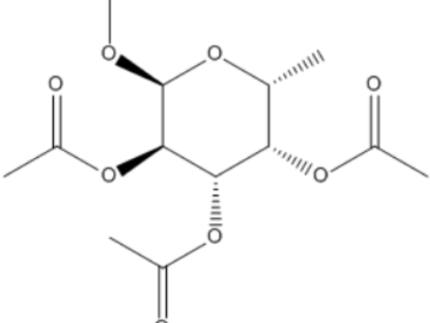
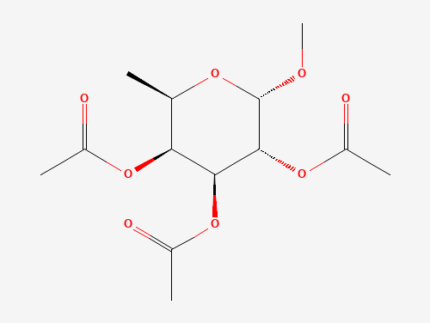
Catalog No: A10GD-4851
Cas No: 43139-93-1
Properties: Mol Formula: C13H20O8, Mol Weight: 304.29
IUPAC Name: [(2R,3S,4S,5R,6S)-4,5-diacetyloxy-6-methoxy-2-methyloxan-3-yl] acetate
Synonym: 43139-93-1, ,
10 in stock
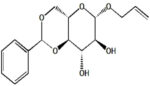
Catalog No: A10GD-4824
Cas No: 28642-64-0
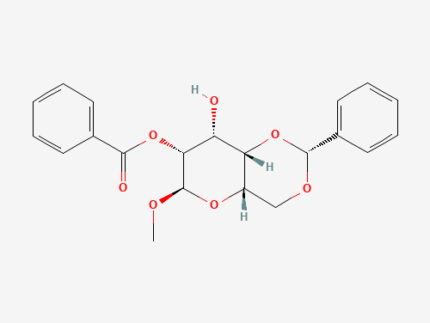
Properties: Mol Formula: C21H22O7, Mol Weight: 386.4
IUPAC Name: [(2R,4aS,6R,7R,8R,8aS)-8-hydroxy-6-methoxy-2-phenyl-4,4a,6,7,8,8a-hexahydropyrano[3,2-d][1,3]dioxin-7-yl] benzoate
Synonym: SCHEMBL7152880, W-202199, Methyl 2-O-Benzoyl-4,6-di-O-benzylidene-?-D-glucopyranoside
10 in stock
Catalog No: A10GD-4835
Cas No: 878383
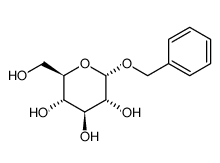
Properties: Mol Formula: C13H18O6, Mol Weight: 270.28
IUPAC Name: (2R,3S,4S,5R,6R)-2-(hydroxymethyl)-6-phenylmethoxyoxane-3,4,5-triol
Synonym: (2R,3R,4S,5S,6R)-2-(Benzyloxy)-6-(hydroxymethyl)tetrahydro-2H-pyran-3,4,5-triol, 7ILL1IJM8R, Benzyl .beta.-D-glucopyranoside
10 in stock
Catalog No: A10GD-4834
Cas No: 7464-56-4
Properties: Mol Formula: C9H16O6, Mol Weight: 220.22
IUPAC Name: (2R,3S,4S,5R,6S)-2-(hydroxymethyl)-6-prop-2-enoxyoxane-3,4,5-triol
Synonym: Allyl alpha-D-Glucopyranoside, O-Allyl-alpha-D-glucose, Allyl-alpha-D-glucopyranoside
10 in stock





Reviews
There are no reviews yet.