UDP-3-F-D-Glc.2Na
$100.10 – $10,000.10
| Name | UDP-3-F-D-Glc.2Na |
| Catalog No. | GN02026 |
| CAS Number | |
| Formula | C15H21FN2Na2O16P2 |
| M.W. | 612.26 |
| Purity | min 90% by HPLC |
UDP-3-F-D-Glc.2Na
UDP-3-F-D-Glucose
UDP-3-F-D-Glc.2Na, Uridine 5?-disphospho-3-fluoro-D-glucose disodium salt
UDP-3-F-D-Glc.2Na (Uridine Diphosphate 3-Fluoro-D-Glucose disodium salt) is a fluorinated nucleotide sugar, where the hydroxyl group at the 3-position of glucose is replaced by a fluorine atom. This modification imparts unique chemical properties that make it valuable in glycosylation research and the development of synthetic glycans with specific biological properties.
Structure & Properties:
- Molecular Weight (MW): Approximately 586 g/mol (depending on the specific form and substitutions)
- Chemical Formula: C15H22FNO17P2Na2 (approximate)
- Synonyms: UDP-3-fluoro-D-glucose, Uridine Diphosphate 3-fluoro-D-glucose disodium salt
- Functional Groups: The glucose moiety is modified with a fluorine atom at the 3-position, altering its reactivity and interaction with biological enzymes compared to native glucose.
Biological Role:
- Biosynthesis Pathway: UDP-3-F-D-Glc is synthesized by the fluorination of UDP-glucose at the 3-position. It is used as a glycosyl donor in glycosylation processes, participating in the transfer of sugar molecules during the formation of glycans.
- Function: This modified sugar is employed in studies of enzyme specificity, particularly in glycosyltransferases that interact with sugar nucleotides during glycan synthesis.
Applications:
- Glycosylation Research: UDP-3-F-D-Glc is a research tool for investigating how modifications such as fluorination affect glycan biosynthesis. It helps in the understanding of enzyme-substrate interactions within glycosylation pathways.
- Biotechnology and Drug Design: Fluorinated sugars like UDP-3-F-D-Glc are explored in the development of new drugs, particularly those that target enzymes involved in glycosylation or in the creation of synthetic glycomimetics.
Research Significance:
- Fluorinated Sugar Nucleotides: The presence of fluorine in biological molecules often enhances their stability and resistance to enzymatic degradation, which makes UDP-3-F-D-Glc a useful molecule for studying glycosylation pathways.
- Enzyme Inhibition and Modification: UDP-3-F-D-Glc can be used to explore the inhibition of glycosyltransferases or to synthesize altered glycan structures with potential therapeutic applications.
Storage and Stability:
- Storage: UDP-3-F-D-Glc should be stored at -20°C in a dry, moisture-free environment.
- Stability: The compound remains stable under recommended storage conditions, but exposure to light, heat, or moisture should be avoided to prevent degradation.
Research Areas:
- Glycan Synthesis and Enzyme Mechanisms: Researchers use UDP-3-F-D-Glc to study the mechanisms by which glycosyltransferases incorporate sugar molecules into glycans and how fluorinated sugars impact these processes.
- Therapeutic and Diagnostic Development: This compound holds potential for therapeutic development, particularly in areas involving glycan-based therapies or diagnostics.
Conclusion:
UDP-3-F-D-Glc.2Na is a valuable fluorinated nucleotide sugar used in the study of glycosylation and enzyme specificity. Its unique properties make it a powerful tool in glycoscience, with potential applications in biotechnology, drug discovery, and synthetic biology.
| Size | 10 MG, 2 MG, 5 MG, Other |
|---|
Related Products
Catalog No: G01534TU
Molecular Formula: C₄₀H₆₈N₂O₃₁
Molecular Weight: 1072.96 g/mol
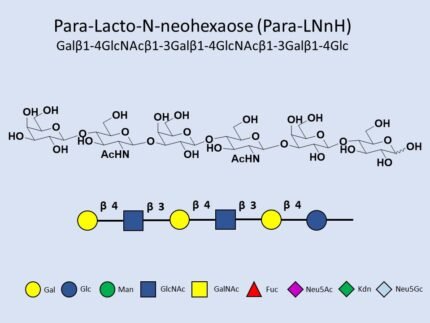
Structure (IUPAC): Gal(β1-3)GlcNAc(β1-3)Gal(β1-3)GlcNAc(β1-3)Gal(β1-4)Glc
Packaging: Available in research quantities
10 in stock
10 in stock
10 in stock
Fuc-a1,2-Gal-b1,3-GalNAc-b1,3-Gal-a1,4-Gal-b1,4-Glc, CAS:-, G98465JN
10 in stock