About this product
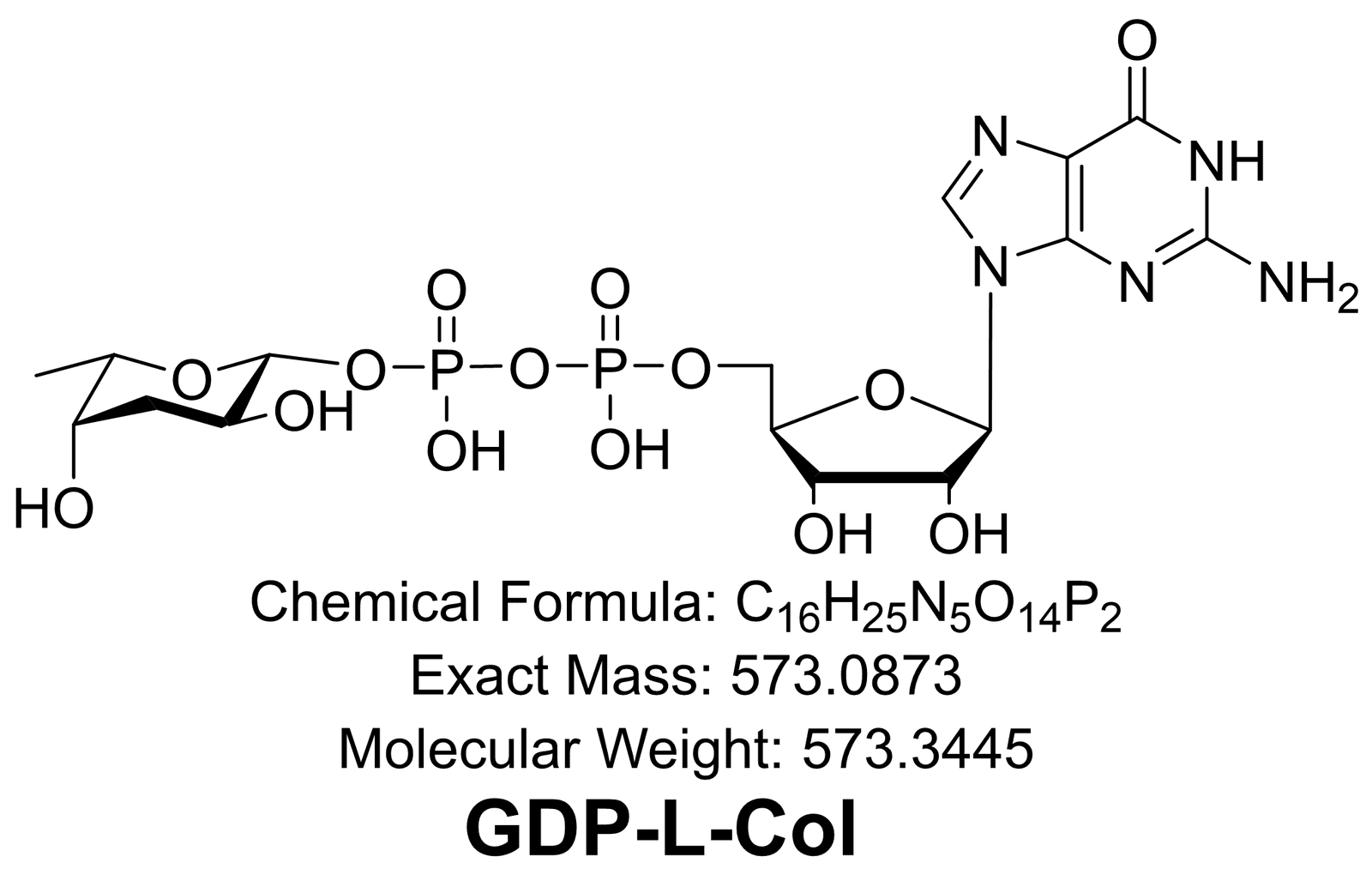
dTDP-D-Gal (dTDP-D-galactose) is a nucleotide sugar consisting of thymidine diphosphate (dTDP) linked to D-galactose, a six-carbon sugar that is a stereoisomer of glucose. dTDP-D-Gal plays a vital role in the biosynthesis of glycoproteins, glycolipids, and polysaccharides, serving as a sugar donor in glycosylation reactions in various organisms, including bacteria, plants, and animals.
Structure & Properties:
Molecular Weight (MW): Approximately 548 g/mol (depending on specific form)
Chemical Formula: C16H26N2O14P2
Synonyms: dTDP-D-galactose, thymidine diphospho-D-galactose
Functional Groups: Contains a galactose sugar unit linked to thymidine diphosphate (dTDP), a common nucleotide.
Biological Role:
Biosynthesis Pathway: dTDP-D-galactose is synthesized through a series of enzymatic reactions starting from D-glucose or D-galactose. It involves the conversion of these sugars into the dTDP-bound form, which can then be used as a donor in glycosylation reactions.
Function: dTDP-D-Gal acts as a donor of galactose residues, facilitating the addition of galactose to glycan chains in the synthesis of complex carbohydrates such as glycoproteins, glycolipids, and polysaccharides.
Applications:
Bacterial Glycobiology: In bacterial systems, dTDP-D-galactose is essential for constructing surface polysaccharides, such as lipopolysaccharides (LPS) and exopolysaccharides, which play critical roles in bacterial survival, virulence, and immune evasion.
Plant and Fungal Glycobiology: In plants and fungi, dTDP-D-galactose is involved in the biosynthesis of cell wall components, such as galactans, which are important for maintaining cell structure and function.
Significance in Research:
Pathogen Glycan Diversity: dTDP-D-galactose contributes to the structural diversity of glycans, which are important for pathogen-host interactions, immune evasion, and bacterial virulence.
Therapeutic Targeting: Disrupting the biosynthesis of dTDP-D-galactose in pathogenic bacteria can lead to novel antibacterial therapies by impairing the production of key surface glycans.
Key Roles:
Lipopolysaccharide (LPS) Biosynthesis: dTDP-D-Gal is involved in LPS biosynthesis in Gram-negative bacteria, influencing the structure and immunogenic properties of the bacterial outer membrane.
Exopolysaccharides and Capsule Formation: dTDP-D-Gal is also crucial in synthesizing exopolysaccharides and bacterial capsules, which contribute to biofilm formation and protection from environmental stresses.
Storage and Stability:
Storage: dTDP-D-galactose should be stored at -20°C in a dry, light-protected environment to maintain stability.
Stability: Under proper storage conditions, dTDP-D-galactose remains stable but may degrade when exposed to moisture, light, or elevated temperatures.
Research Applications:
Glycan Engineering: dTDP-D-Gal is used in synthetic biology and glycobiology research to construct galactose-containing glycans for studying glycosylation pathways and microbial virulence mechanisms.
Vaccine and Drug Development: Understanding dTDP-D-Gal's role in glycosylation allows for the development of vaccines and drugs that target bacterial glycan structures critical for pathogenicity.
Potential Impact:
Antibacterial Strategies: Targeting the enzymes that synthesize dTDP-D-galactose can disrupt the glycosylation processes in bacteria, weakening their virulence and ability to evade the immune system.
Synthetic Glycans: dTDP-D-Gal can be employed in designing synthetic glycans for therapeutic or diagnostic applications, particularly in the context of microbial glycosylation.
Key Research Areas:
Bacterial and Fungal Pathogenesis: dTDP-D-galactose-containing glycans are central to the pathogenicity of certain bacteria and fungi, making them important targets for research on infectious diseases and immune response modulation.
Enzyme Inhibition: Studying the enzymes that generate dTDP-D-galactose provides opportunities for developing enzyme inhibitors that prevent glycan synthesis in pathogenic organisms.
Conclusion: dTDP-D-Gal (dTDP-D-galactose) is a key sugar nucleotide involved in the biosynthesis of complex carbohydrates in various organisms. Its role in glycan construction, bacterial virulence, and immune evasion makes it a valuable target for antibacterial research and therapeutic development. Additionally, dTDP-D-galactose is a critical component in glycan engineering for studying glycosylation pathways and developing novel glycoconjugates for research and clinical applications.