About this product
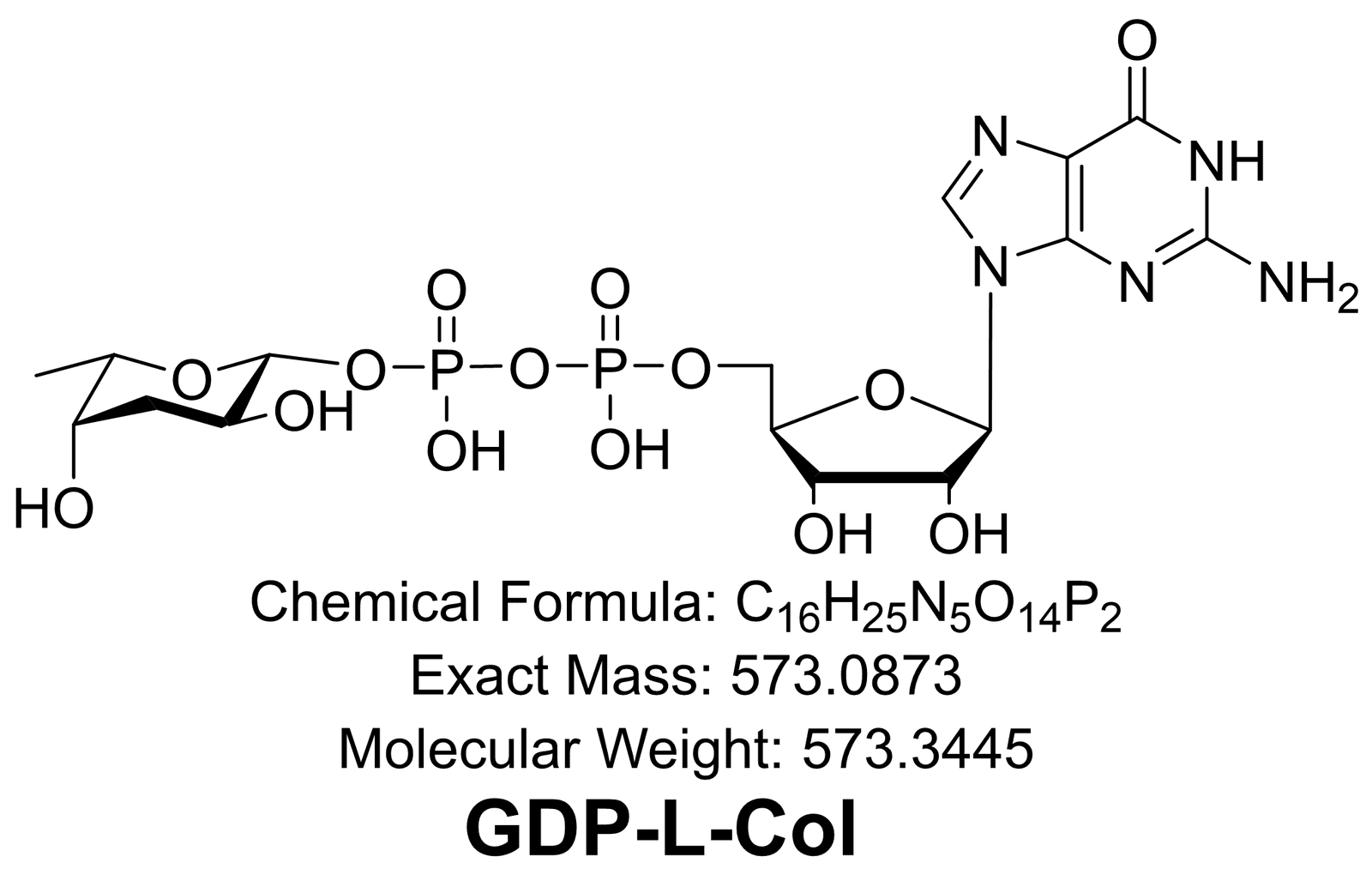
Guanosine 5'-diphospho-D-mannuronic acid trisodium salt is a nucleotide sugar. It is involved in the biosynthesis of various polysaccharides and glycoconjugates in certain organisms, primarily in bacterial and plant cell wall biosynthesis. GDP-mannuronic acid is often used in studies of polysaccharide synthesis, particularly alginate biosynthesis in bacteria like Pseudomonas and Azotobacter .
Structure & Properties :
Molecular Weight (MW) : Typically around 600-650 g/mol (depending on the exact salt form).
Chemical Formula : C16H21N5Na3O18P2 (estimate based on similar compounds, but may vary slightly depending on hydration state)
Synonyms : GDP-Mannuronic acid trisodium salt, Guanosine diphospho-D-mannuronic acid trisodium salt
CAS Number : Not widely available for this specific compound, but similar GDP-sugar analogs are often used in research contexts.
Biological Role :
Biosynthesis : This compound serves as a sugar donor in glycosylation reactions, particularly in the synthesis of polysaccharides like alginate in bacteria. Alginate is a key structural component of biofilms and is important in bacterial virulence and defense.
Function : It acts as a substrate for glycosyltransferase enzymes that catalyze the transfer of mannuronic acid residues during the biosynthesis of polysaccharides like alginate. In plants, GDP-sugars are involved in the synthesis of hemicelluloses and pectins.
Applications :
Polysaccharide Biosynthesis Studies : Used to study the formation of bacterial extracellular polysaccharides such as alginate, which are important for biofilm formation and bacterial pathogenesis.
Enzyme Assays : It is often used in assays to study glycosyltransferases involved in alginate and other polysaccharide synthesis pathways.
Biofilm Research : Essential in understanding biofilm-related infections and developing treatments targeting biofilm formation.
Glycobiology Research : It is important in the study of glycan synthesis and modifications.
Storage and Stability :
Storage : Typically stored at -20°C in a dry, sealed container to protect it from moisture and degradation.
Stability : Stable under recommended storage conditions, but sensitive to moisture and should be handled with care.
Significance in Research :
Bacterial Research : Its role in alginate biosynthesis makes it significant in studies related to bacterial pathogenicity, particularly in diseases like cystic fibrosis where Pseudomonas aeruginosa biofilms are a major concern.
Material Science : Alginate, derived from this compound, has applications in drug delivery systems, wound healing, and as a food additive.
This compound is particularly valuable in microbiology and glycoscience research, providing insights into polysaccharide biosynthesis and its implications for health and disease.