About this product
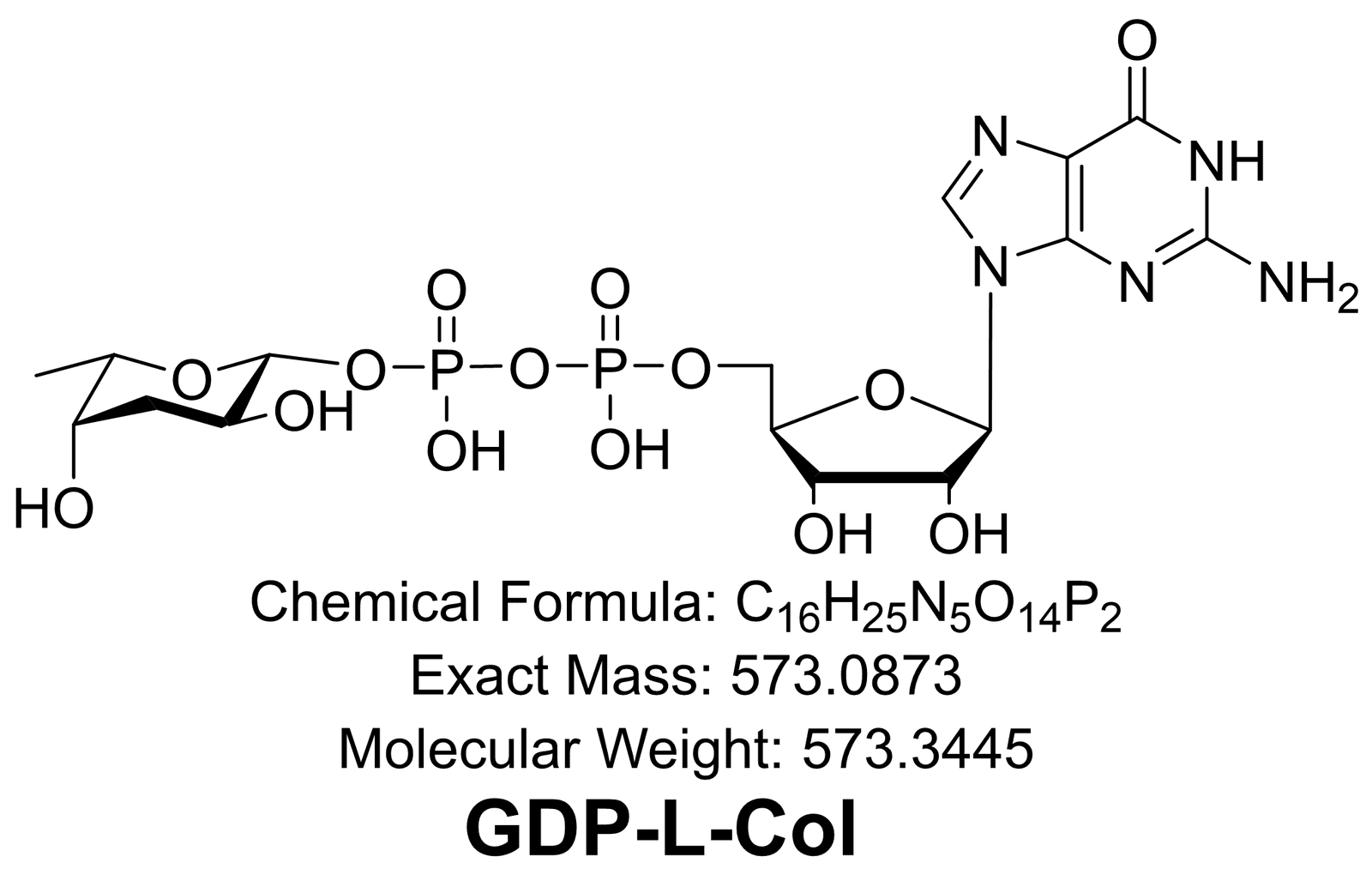
UDP-D-XylNAc (Uridine Diphosphate N-acetylxylose) is a nucleotide sugar involved in the biosynthesis of glycosaminoglycans (GAGs) and various glycoproteins. It consists of uridine diphosphate (UDP) linked to N-acetylxylose (XylNAc), a derivative of xylose modified with an acetyl group.
Structure & Properties:
Molecular Weight (MW): Approximately 577 g/mol (depending on the specific form and substitutions)
Chemical Formula: C16H25N3O16P2 (approximate)
Synonyms: UDP-N-acetylxylose
Functional Groups: XylNAc contains an acetylated amino group at the 2-position of the xylose sugar, contributing to its distinct role in glycosylation processes.
Biological Role:
Biosynthesis Pathway: UDP-D-XylNAc is synthesized in the cell's cytoplasm and serves as a glycosyl donor in the formation of glycans, particularly in glycosaminoglycan biosynthesis.
Function: It is involved in the transfer of N-acetylxylose to specific serine or threonine residues on proteoglycans, forming the linkage region that initiates GAG biosynthesis.
Applications:
Glycosaminoglycan (GAG) Biosynthesis: UDP-D-XylNAc plays a crucial role in the formation of the linkage region of proteoglycans, which are essential components of the extracellular matrix.
Glycoprotein Biosynthesis: It also participates in the formation of various glycoproteins involved in cellular functions such as signaling, adhesion, and immune responses.
Significance in Research:
Extracellular Matrix Research: Studying UDP-D-XylNAc is important for understanding the assembly of GAGs, which are vital for the structural integrity of tissues, cellular signaling, and wound healing.
Glycosylation Disorders: Disruptions in the biosynthesis or utilization of UDP-D-XylNAc can lead to glycosylation disorders, impacting cellular communication, immune responses, and tissue integrity.
Key Roles:
Proteoglycan Synthesis: UDP-D-XylNAc initiates the biosynthesis of proteoglycans, which are key components of the extracellular matrix, contributing to tissue hydration, elasticity, and structural integrity.
Cellular Adhesion and Signaling: Proteoglycans synthesized using UDP-D-XylNAc are involved in cellular adhesion and signaling, playing roles in development, immune responses, and disease processes.
Storage and Stability:
Storage: UDP-D-XylNAc should be stored at -20°C in a moisture-free environment for optimal stability.
Stability: The compound is stable under these conditions but may degrade if exposed to heat, moisture, or light.
Research Applications:
Glycobiology: UDP-D-XylNAc is used in research to study glycosylation processes, particularly those related to the extracellular matrix and glycoproteins.
Biotechnological Applications: It is employed in synthetic biology to engineer cells for the production of glycosaminoglycans and glycoproteins, which have therapeutic and industrial applications.
Potential Impact:
Tissue Engineering: Understanding the role of UDP-D-XylNAc in GAG biosynthesis could inform the development of engineered tissues and biomaterials that mimic the properties of natural extracellular matrices.
Therapeutic Development: Disruptions in proteoglycan and glycoprotein biosynthesis due to UDP-D-XylNAc deficiency can be targeted in the treatment of connective tissue diseases and certain cancers.
Key Research Areas:
Extracellular Matrix Biology: Research into UDP-D-XylNAc's role in GAG biosynthesis contributes to the understanding of tissue structure and function.
Glycosylation Disorders: Investigating UDP-D-XylNAc biosynthesis and its role in cellular processes can lead to insights into glycosylation disorders and their treatment.
Conclusion: UDP-D-XylNAc is a key nucleotide sugar involved in the biosynthesis of glycosaminoglycans and glycoproteins, crucial for the formation and function of the extracellular matrix and cellular signaling. Its role in glycosylation processes makes it a valuable molecule in research related to tissue engineering, cellular communication, and therapeutic development