About this product
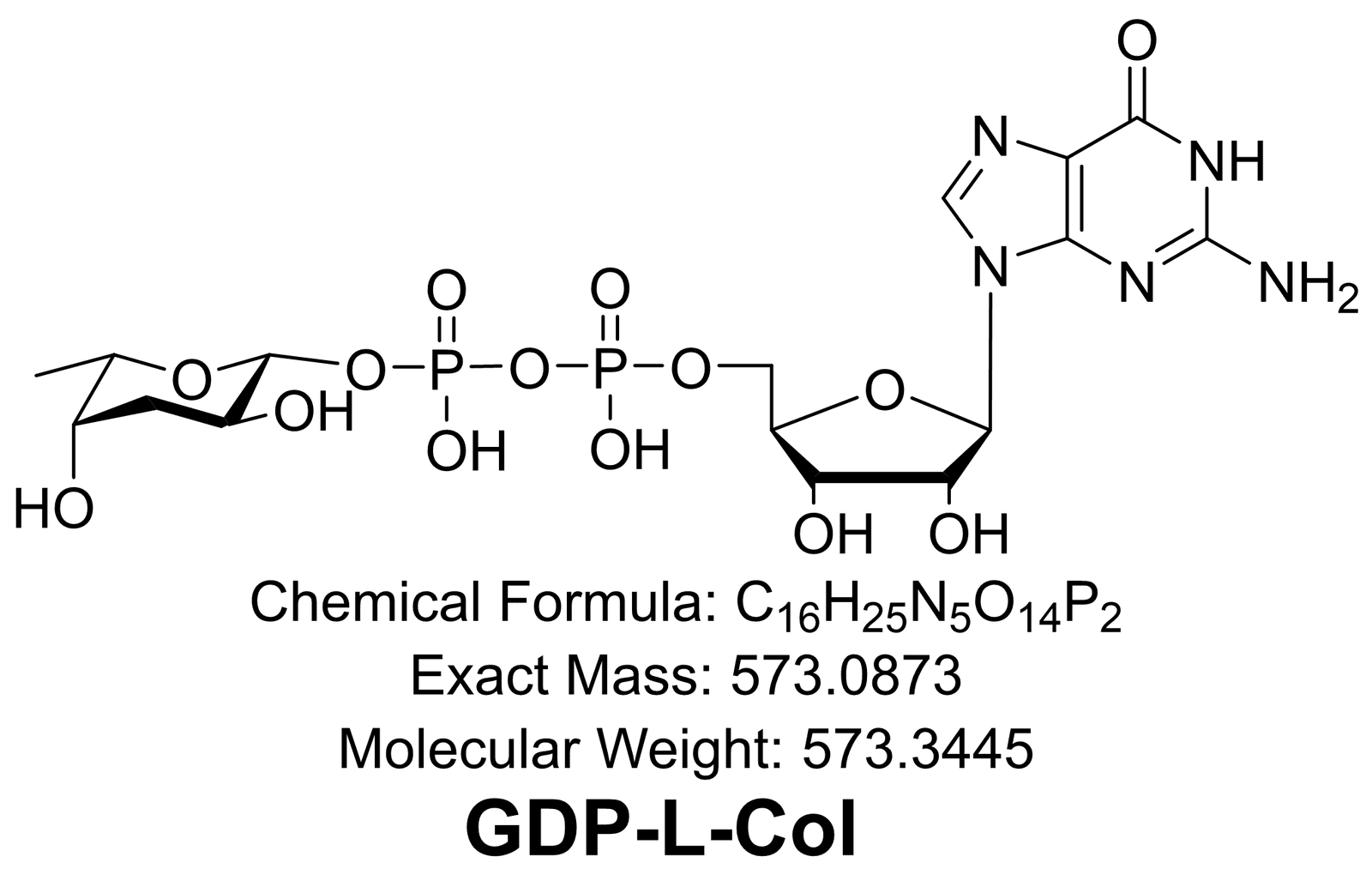
UDP-GalNAc (Uridine Diphosphate N-Acetylgalactosamine) is a nucleotide sugar involved in the biosynthesis of glycoproteins and glycolipids. It consists of uridine diphosphate (UDP) linked to N-acetylgalactosamine (GalNAc), a derivative of the monosaccharide galactose modified with an acetyl group. It plays a crucial role in glycosylation processes across many biological systems.
Structure & Properties:
Molecular Weight (MW): Approximately 606 g/mol
Chemical Formula: C17H27N3O17P2
Synonyms: UDP-N-acetylgalactosamine
Functional Groups: The N-acetylgalactosamine group is characterized by the acetylation of an amino group (-NH2) at the 2-position of the galactose sugar ring, making it an amino sugar.
Biological Role:
Biosynthesis Pathway: UDP-GalNAc is synthesized in the cytoplasm of cells through enzymatic pathways that convert UDP-glucose into GalNAc. It serves as a sugar donor in the glycosylation of proteins and lipids.
Function: GalNAc transfers N-acetylgalactosamine to serine or threonine residues on proteins, forming O-linked glycans. It is also involved in the biosynthesis of glycosphingolipids.
Applications:
O-Glycosylation: UDP-GalNAc is the primary substrate for the initiation of O-glycosylation, a post-translational modification where sugars are added to proteins, particularly on mucins.
Glycosphingolipid Biosynthesis: It plays a role in the formation of complex glycosphingolipids, which are important for cell membrane structure and signaling.
Significance in Research:
Cell Signaling and Adhesion: The glycoconjugates formed with UDP are involved in cell signaling, cellular adhesion, and immune recognition, which makes them significant in studies of cancer, inflammation, and infectious diseases.
Disease Association: Disruptions in UDP-GalNAc metabolism or glycosylation processes can lead to diseases such as congenital disorders of glycosylation (CDG).
Key Roles:
O-Glycan Biosynthesis: UDP is responsible for the biosynthesis of O-glycans, particularly in the formation of mucins, which protect epithelial surfaces.
Glycolipid Biosynthesis: It is also involved in synthesizing glycosphingolipids, which are essential for cell membrane stability and function.
Storage and Stability:
Storage: UDP-GalNAc should be stored at -20°C in a moisture-free environment.
Stability: The compound is stable under these conditions but may degrade when exposed to heat, moisture, or light.
Research Applications:
Glycobiology: UDP-GalNAc is widely used in research to study glycosylation processes and the role of O-glycans in cellular biology.
Therapeutic Development: The understanding of UDP-GalNAc in glycosylation can lead to potential therapeutic strategies, particularly for glycosylation-related diseases.
Potential Impact:
Cancer Therapy: Abnormal O-glycosylation patterns are often seen in cancer cells, and targeting the enzymes that use could offer new therapeutic approaches.
Synthetic Biology: UDP-GalNAc can be used in synthetic biology to engineer glycan structures for therapeutic and diagnostic purposes.
Key Research Areas:
Mucins and Immune Response: Researching the role of UDP-GalNAc in the biosynthesis of mucins, which are important in immune defense, is critical for understanding diseases of the mucosal surfaces.
Glycosylation Disorders: Investigating the metabolism of this may provide insights into congenital disorders of glycosylation and other metabolic diseases.
Conclusion:
It is a fundamental sugar nucleotide involved in critical biological processes such as O-glycosylation and glycolipid biosynthesis. Its role in cellular communication, immune responses, and disease pathology makes it a key molecule in glycobiology research and therapeutic development.