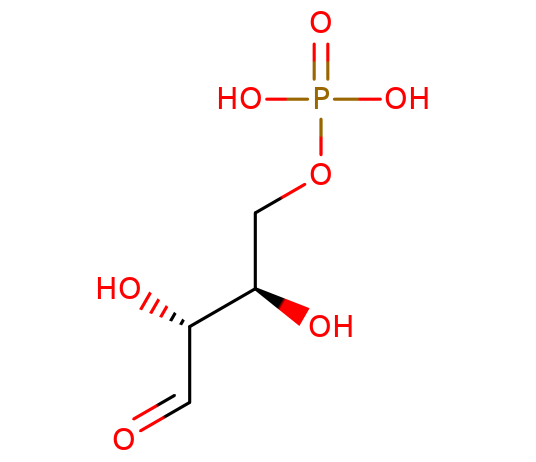
About this product
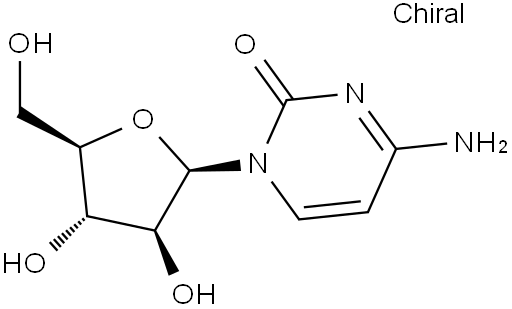
Cytosine β-D-arabinofuranoside
Cytarabine, also known as cytosine β-D-arabinofuranoside (Ara-C) , is a nucleoside analog and antimetabolite chemotherapy drug. It is a cornerstone in the treatment of acute leukemias and certain lymphomas, functioning by disrupting DNA synthesis in rapidly dividing cancer cells.
Chemical Properties
CAS Number : 147-94-4
MDL No. : MFCD00066487
Catalog Number : A808710
EINECS : 205-705-9
Molecular Formula : C₉H₁₃N₃O₅
Molecular Weight : 243.22 g/mol
Boiling Point : 386.09 °C
Melting Point : 214 °C (lit.)
Flash Point : 283.8 °C
Appearance : White crystalline powder
Optical Rotation : D²⁴ +153° (c = 0.5 in water)
Refractivity : 1.5100
Storage : Store at 2–8 °C for long-term stability (months).
Applications
Oncology :
Acute Myeloid Leukemia (AML) : Primary use in induction and consolidation therapy, often combined with anthracyclines (e.g., daunorubicin).
Acute Lymphocytic Leukemia (ALL) : Integral to treatment protocols for pediatric and adult ALL.
Lymphomas : Used in blast-phase chronic myelocytic leukemia and certain non-Hodgkin lymphomas.
Antiviral Activity :
Limited use in generalized herpesvirus infections due to severe bone marrow suppression and toxicity.
Neurological Research :
Controls glial cell proliferation in cultures and promotes neuronal differentiation in motor neuron-like cell lines.
Mechanism of Action
Antimetabolite : Mimics cytidine but substitutes arabinose for deoxyribose, leading to incorporation into DNA during the S phase.
DNA Synthesis Inhibition :
Converted intracellularly to cytarabine triphosphate (Ara-CTP) , which competitively inhibits DNA polymerase α and β.
Causes chain termination and defective DNA repair, selectively targeting rapidly dividing cells.
RNA and Enzyme Interference : Inhibits RNA polymerases and ribonucleotide reductase, further blocking DNA synthesis.
Administration
Intravenous (IV) : Most common route, via central line, PICC line, or cannula.
Subcutaneous (SC) : For specific protocols, injected into the stomach, thigh, or arm.
Intrathecal (IT) : Directly into cerebrospinal fluid for meningeal leukemia prophylaxis or treatment.
Safety Profile
Common Side Effects :
Hematologic : Severe myelosuppression (neutropenia, thrombocytopenia, anemia).
Gastrointestinal : Nausea, vomiting, mucositis, diarrhea.
Neurologic : Cerebellar toxicity (ataxia, slurred speech) at high doses.
Severe Toxicities :
High-Dose Risks : Neurotoxicity (cerebellar dysfunction, seizures), pulmonary edema, corneal toxicity.
Rare Complications : Pancreatitis, hepatic dysfunction, palmar-plantar erythrodysesthesia.
Clinical Considerations
Dose Dependency :
Standard Dose : 100–200 mg/m² (induction therapy).
High-Dose (HDAC) : 1,000–3,000 mg/m² for refractory/relapsed AML, requiring strict neurotoxicity monitoring.
Combination Therapy : Synergizes with anthracyclines, fludarabine, and asparaginase 3 .
Citations:
https://en.wikipedia.org/wiki/Cytarabine
https://pubmed.ncbi.nlm.nih.gov/2031974/
https://pubmed.ncbi.nlm.nih.gov/9218105/
https://go.drugbank.com/drugs/DB00987
https://www.cancerresearchuk.org/about-cancer/treatment/drugs/cytarabine
https://www.tandfonline.com/doi/abs/10.3109/03639048909062750
https://ontosight.ai/glossary/term/Arabinoside---ara-C