About this product
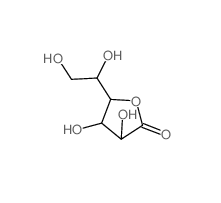
L-Galactono-1,4-lactone
L-Galactono-1,4-lactone is a biochemical compound that is found in plants and some living cells. It is an intermediate in the Krebs cycle and can be used as a nutrient solution for plant science research. L-Galactono-1,4-lactone has been shown to have enzyme activities on chronic exposure to sephadex g-100. This compound also has an optimum pH of 5.2 and shows acid formation with titration calorimetry. L-Galactono-1,4-lactone is also used in vitro assays for polymerase chain reactions (PCR).
L-Galactono-1,4-lactone (L-GalL) is a small organic molecule that is found in many fruits and vegetables. It is also known as vitamin C precursor as it is a necessary precursor for the biosynthesis of vitamin C (ascorbic acid) in plants, animals, and humans. The biosynthesis of vitamin C in most animals and humans is not possible because of the lack of L-GalL pathway.
Physical and Chemical Properties:
L-GalL is a colorless, odorless, and water-soluble molecule with the molecular formula C6H10O6. It has a melting point of 109-110 ?C and a boiling point of 466 ?C. L-GalL is a cyclic ester with a lactone ring, which has a high degree of stability under neutral and acidic conditions. It is highly soluble in water and has a low solubility in organic solvents.
Synthesis and Characterization:
L-GalL is synthesized through the oxidation of D-glucose using an enzyme called L-galactose dehydrogenase. The reaction involves the conversion of D-glucose to L-galactose, which is further oxidized to L-galactono-1,4-lactone. The biochemical pathway for its synthesis is well studied. L-GalL can be characterized by spectroscopic methods such as High-Performance Liquid Chromatography (HPLC), Nuclear Magnetic Resonance ((13)C NMR), and Fourier Transform Infrared (FTIR) Spectroscopy.
Analytical Methods:
Several analytical methods have been developed to quantify L-GalL in plants, fruits, and biological fluids. HPLC is the most commonly used method for L-GalL quantification. Other methods include gas chromatography-mass spectrometry (GC-MS) and capillary electrophoresis (CE).
Biological Properties:
L-GalL is an essential molecule for the biosynthesis of Vitamin C (ascorbic acid) in plants and animals. Its deficiency leads to vitamin C deficiency, which can cause scurvy in humans. The molecule has also been shown to have antioxidant properties and is involved in the regulation of cellular processes such as cell growth and differentiation. L-GalL has been found to stimulate plant growth and protect against abiotic stress. In animals, it plays a role in the regulation of immune function and wound healing.
Toxicity and Safety in Scientific Experiments:
L-GalL is generally considered safe for human consumption at normal dietary levels and has not been found to have any toxic effects in scientific experiments. It does not have any known carcinogenic, mutagenic, or teratogenic effects. However, high doses of L-GalL (> 1g/kg body weight) have been shown to cause mild gastrointestinal disturbances in humans and animals.
Applications in Scientific Experiments:
L-GalL finds applications in various scientific experiments, including plant physiology, nutrition, and medicine. It is used to supplement animal feed and to improve the growth and health of plants. It is also used as an antioxidant supplement and in wound healing.
Current State of Research:
The study of L-GalL has gained significant attention in recent years due to its significant role in vitamin C biosynthesis pathway and its potential therapeutic applications. Numerous studies have been conducted on L-GalL, including its biosynthesis, biochemical pathways, physiological and pharmacological effects, metabolic regulation, and potential therapeutic applications.
Potential Implications in Various Fields of Research and Industry:
L-GalL has potential implications in various fields of research and industry, including agriculture, nutrition, medicine, and cosmetics. It could be used as a supplement to improve plant growth, health, and production. In medicine, it could be used as an antioxidant and as a component in wound healing products. In the cosmetics industry, it could be used in skincare products due to its antioxidant properties.
Limitations and Future Directions:
One of the significant limitations of L-GalL is its stability, as it is easily degraded in the presence of heat, light, and acidic conditions. Further research is needed to improve the stability of L-GalL and to develop more efficient methods for its synthesis. In addition, the metabolic regulation of L-GalL needs to be further studied to understand its role in disease prevention and treatment. Future research directions could include the identification of novel L-GalL analogs, the investigation of its gene expression regulation, and its application in the development of drugs and nutraceuticals.
In conclusion, L-Galactono-1,4-lactone is a small organic molecule that plays a crucial role in vitamin C biosynthesis, plant growth, and several cellular processes. Numerous studies have shown its potential applications in various fields, including agriculture, nutrition, medicine, and cosmetics. Further research is needed to optimize its production, improve its stability, and explore new potential therapeutic applications. Its discovery and characterization have immensely contributed to our understanding of vitamin C biosynthesis and the physiological functions of this important molecule.
CAS Number 1668-08-2
Product Name L-Galactono-1,4-lactone
IUPAC Name (3S,4S,5R)-5-[(1S)-1,2-dihydroxyethyl]-3,4-dihydroxyoxolan-2-one
Molecular Formula C6H10O6
Molecular Weight 178.14 g/mol
InChI InChI=1S/C6H10O6/c7-1-2(8)5-3(9)4(10)6(11)12-5/h2-5,7-10H,1H2/t2-,3-,4-,5+/m0/s1
InChI Key SXZYCXMUPBBULW-NEEWWZBLSA-N
SMILES C(C(C1C(C(C(=O)O1)O)O)O)O
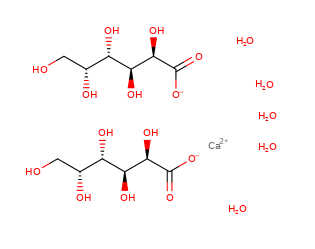
Synonyms L-Galactonic Acid Gamma-lactone; L-Galactono-1,4-lactone; L-Galactono-?-lactone; NSC 25282; L-Galactonic Acid ?-Lactone;
Canonical SMILES C(C(C1C(C(C(=O)O1)O)O)O)O
Isomeric SMILES C([C@@H]([C@@H]1[C@H]([C@@H](C(=O)O1)O)O)O)O
CAS No: 1668-08-2
Synonyms: L-Galactonic acid gamma-lactone
MDL No: MFCD00066466
Chemical Formula: C6H10O6
Molecular Weight: 178.14
COA:
Product name: L-Galactono-1,4-lactone CAS: 1668-08-2
M.F. : C 6 H 10 O 6 M .W. : 178.14 Btch No : 20130409 Quantity :102.5g
Items
Standards
Results
Appearance
White powder
Complies
Solubility
Easily soluble in water, insoluble in ether
Complies
Appearance of solution
Dissolve1gin 10mL of water,
and the solution should be clear and colorless
Complies
Identification
IR and TLC
Complies
MS and NMR
Should Comply
Complies
Loss weight on Dryness
Max.0.5%
0.2%
Residue on ignition
Max. 0.5%
0.02%
[a] 20 D (c,5 inH 2 O, initial)
+75 o ~ +80 o
+78.2 o
TLC
Should be one spot
one spot
Heavy metal
Max.20ppm
Complies
L-Galactonic acid
Max.2%
0.2%
Assay
Min. 98%
99.8%
References:
1. Kim KS, Cho BH, Shin I, Bull. Korean Chem. Soc. 2002, Vol23, No9, p1193-1194