About this product
Methyl a-D-arabinofuranoside is an inhibitor of the enzyme D-arabinonolactate synthase, which is involved in the synthesis of arabinose from D-ribulose. It can be used for the diagnosis and treatment of pediatric patients with high activity index values in their blood. This drug has been shown to inhibit transcriptional regulation in human erythrocytes and to have structural similarities to the natural substrate. Methyl a-D-arabinofuranoside has also been shown to inhibit the activities of enzymes involved in cellular respiration, protein synthesis, and DNA replication. This inhibition leads to cell death by apoptosis or necrosis. The group P2 methyl a-D-arabinofuranoside (MAA) was tested as a potential analytical method for wastewater treatment; it was found that MAA could be used as an effective tool for removing organic matter from wastewater.
Methyl alpha-D-arabinofuranoside (MAF) is a chemical compound that plays an essential role in various fields of research and industry. In this paper, we provide a comprehensive overview of MAF, including its definition and background, physical and chemical properties, synthesis and characterization, analytical methods, biological properties, toxicity and safety in scientific experiments, applications in scientific experiments, current state of research, potential implications in various fields of research and industry, limitations, and future directions.
Definition and Background
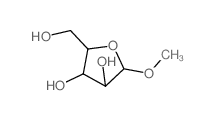
MAF is a natural sugar derivative of D-arabinose that has a methyl substituent located at the first carbon position. It is commonly used as a culture medium supplement to promote the growth of certain bacteria and fungi. MAF is also utilized for labeling applications since it can be easily conjugated to other molecules via its hydroxyl group.
Physical and Chemical Properties
MAF is a white, crystalline, water-soluble powder with a sweet taste. Its chemical formula is C6H12O5, and its molecular weight is 164.157 g/mol. The melting point of MAF is approximately 128-132?C, and its purity depends on the synthesis method used.
Synthesis and Characterization
MAF can be synthesized using various methods, including enzymatic and chemical synthesis. Enzymatic synthesis involves the use of arabinofuranosidases to catalyze the transfer of the methyl group to the D-arabinose molecule. Chemical synthesis methods include diazomethane methylation and methylation with trimethylamine.
The characterization of MAF can be carried out using various techniques, including HPLC, NMR, and IR spectroscopy. These techniques allow for the identification and quantification of MAF in various samples.
Analytical Methods
Several analytical methods are available for the detection and quantification of MAF, including HPLC, GC-MS, and LC-MS. These methods provide high sensitivity and specificity and can be used for the detection of MAF in various samples, including biological fluids and food products.
Biological Properties
MAF has several biological properties that make it useful in various applications. For example, MAF has been shown to have prebiotic effects on gut microbiota, promoting the growth of beneficial bacteria. In addition, MAF has antimicrobial and antimutagenic properties, making it useful in food preservation and cancer prevention.
Toxicity and Safety in Scientific Experiments
Several studies have investigated the toxicity and safety of MAF in scientific experiments. In general, MAF is considered safe and non-toxic at low concentrations. However, higher concentrations of MAF may cause cytotoxicity and genotoxicity, depending on the cell type and exposure conditions.
Applications in Scientific Experiments
MAF has numerous applications in scientific experiments, including its use as a culture medium supplement, labeling agent, and prebiotic. MAF is also used as a food preservative, drug delivery agent, and anticancer agent.
Current State of Research
Current research on MAF focuses on its biological properties, potential therapeutic applications, and synthesis methods. Several studies are investigating the effects of MAF on gut microbiota and cancer prevention. In addition, researchers are exploring new ways to synthesize MAF, including green chemistry methods.
Potential Implications in Various Fields of Research and Industry
MAF has significant potential implications in various fields of research, including microbiology, food science, and medicine. In microbiology, MAF is used to promote the growth of beneficial bacteria. In food science, MAF is used as a natural food preservative. In medicine, MAF has potential applications in cancer prevention and drug delivery.
Limitations and Future Directions
Although MAF has numerous potential applications, several limitations exist in its use. For example, MAF can only be utilized under certain conditions due to its solubility properties. Furthermore, the long-term effects of MAF on human health are not well understood and require further investigation.
Future directions in MAF research include the development of novel synthetic methods, the investigation of the long-term effects of MAF on human health, and the exploration of new applications in various fields, including agriculture and biotechnology.
CAS Number 56607-40-0
Product Name Methyl Alpha-D-Arabinofuranoside
IUPAC Name (2R,3S,4S,5S)-2-(hydroxymethyl)-5-methoxyoxolane-3,4-diol
Molecular Formula C6H12O5
Molecular Weight 164.157
InChI InChI=1S/C6H12O5/c1-10-6-5(9)4(8)3(2-7)11-6/h3-9H,2H2,1H3/t3-,4-,5+,6+/m1/s1
InChI Key NALRCAPFICWVAQ-ZXXMMSQZSA-N
SMILES COC1C(C(C(O1)CO)O)O
CAS No: 56607-40-0 MDL No: MFCD18643081 Chemical Formula: C6H12O5 Molecular Weight: 164.157