
GlycoDepot
GlycoDepot

Polystyrene-Linked-4-(1-Hydroxyethyl) 2-methoxy-5-nitrophenol

Polystyrene-linked-4-(1-hydroxyethyl)-2-methoxy-5-nitrophenol Polystyrene-linked-4-(1-hydroxyethyl)-2-methoxy-5-nitrophenol is a functionalized polymer compound…
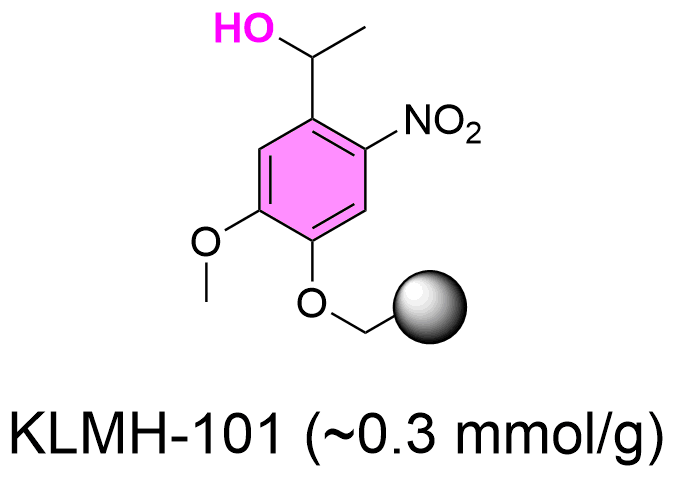
Polystyrene-Linked-4-(1-Hydroxyethyl) 2-methoxy-5-nitrophenol
Pricing
Request a quote

Size

Quantity

  • ISO 9001:2015 facilities · CoA + batch tracking with every shipment
  • Worldwide shipping · dry-ice option for thermolabile reagents
  • Research Use Only — not for human or veterinary clinical use

About this product

Polystyrene-linked-4-(1-hydroxyethyl)-2-methoxy-5-nitrophenol Polystyrene-linked-4-(1-hydroxyethyl)-2-methoxy-5-nitrophenol is a functionalized polymer compound designed for applications in organic synthesis and materials science. This compound features a polystyrene backbone, which provides structural stability and facilitates the attachment of various functional groups. Structural Characteristics Backbone : The polystyrene component offers a robust framework, making the compound insoluble in many organic solvents and suitable for solid-phase reactions. Functional Groups : Hydroxyethyl group : Enhances hydrophilicity and provides sites for further chemical modifications. Methoxy group : Contributes to the compound's solubility and reactivity. Nitrophenol moiety : The nitro group is electron-withdrawing, enhancing the reactivity of the phenolic hydroxyl group, making it suitable for electrophilic substitutions. Key Properties Molecular Formula : C₉H₁₁N₁O₅ Molecular Weight : Approximately 213.19 g/mol Reactivity : Nitro and hydroxyl groups allow for diverse chemical transformations, including coupling reactions and further derivatization. Applications Solid-phase synthesis : Utilized as a support for synthesizing peptides or small molecules, allowing for efficient purification and recovery. Photochemical studies : The nitrophenol structure can be employed in photolabile linkers for controlled release applications in biochemical research. This compound exemplifies the integration of polymer chemistry with functional organic groups, providing a versatile tool for researchers in synthetic chemistry and materials science. Citations: https://www.chemsrc.com/en/cas/917762-48-2_1083628.html https://www.chemsrc.com/en/cas/182122-17-4_164385.html https://www.chemicalbook.com/ChemicalProductProperty_EN_CB1699531.htm https://pubchem.ncbi.nlm.nih.gov/compound/4-_Hydroxymethyl_-2-methoxy-5-nitrophenol https://www.sigmaaldrich.com/IN/en/product/aldrich/55262 https://www.ambeed.com/products/182122-17-4.html https://pubchem.ncbi.nlm.nih.gov/compound/Hydroxyethyl-photolinker https://www.sigmaaldrich.com/IN/en/product/enamine/ena497375049?context=bbe

You may also need

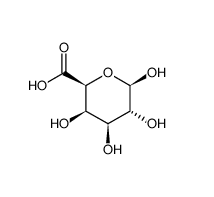
DL-Galacturonicacid

DL-Galacturonicacid

D-Galacturonic acid (2S,3R,4S,5R)-2,3,4,5-tetrahydroxy-6-oxohexanoic acid, commonly known as THOH acid, is a six-carbon sugar acid with four hydroxyl groups and…
Quote on requestIn stock
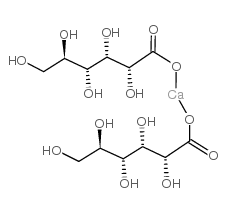
CALCIUMGLUCONATE

CALCIUMGLUCONATE

D-Gluconic acid calcium salt D-Gluconic acid calcium salt is a chemical that inhibits the activity of enzymes in the pathway of methyl glycosides. It has been s…
Quote on requestIn stock
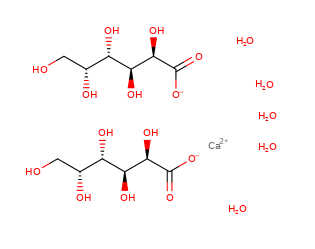
CalciumD-Galactonate

CalciumD-Galactonate

Calcium-D-galactonate hydrate, , Calcium-D-galactonate hydrate is a reagent that is used in organic synthesis as a complex compound. It can also be used as an i…
Quote on requestIn stock
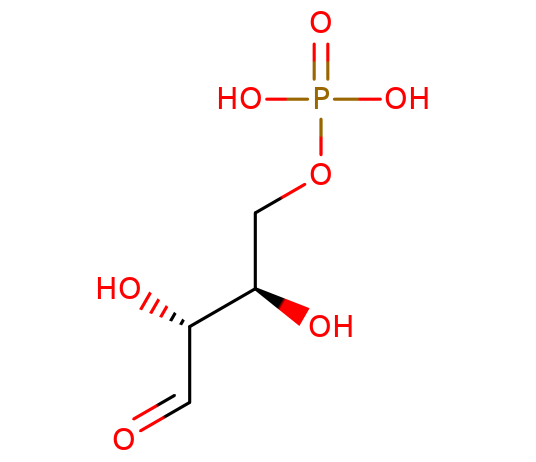
erythrose4-phosphate

erythrose4-phosphate

D-Erythrose 4-phosphate D-Erythrose 4-phosphate, also known as D-erythrose-4-p or 4-O-phosphono-D-erythrose, belongs to the class of organic compounds known as …

Quote on requestIn stock