
GlycoDepot
GlycoDepot

BC2LA from Burkholderia cenocepacia

BC2LA from Burkholderia cenocepacia BC2LA is a soluble lectin produced by Burkholderia cenocepacia, a Gram-negative bacterium known for its virulence and antibi…
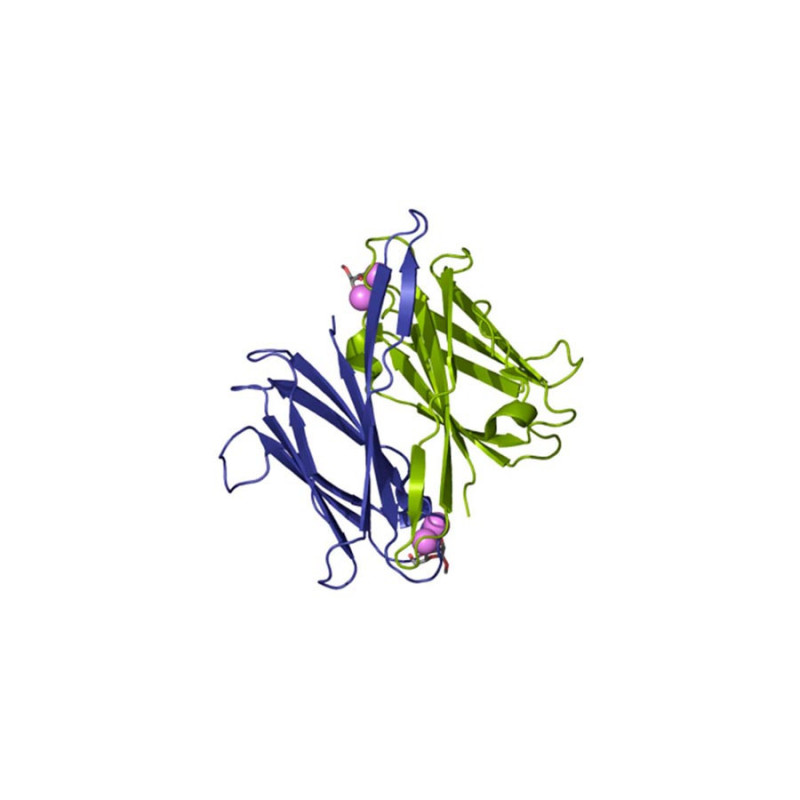
BC2LA from Burkholderia cenocepacia
Pricing
Request a quote

Size

Quantity

  • ISO 9001:2015 facilities · CoA + batch tracking with every shipment
  • Worldwide shipping · dry-ice option for thermolabile reagents
  • Research Use Only — not for human or veterinary clinical use

About this product

BC2LA from Burkholderia cenocepacia BC2LA is a soluble lectin produced by Burkholderia cenocepacia, a Gram-negative bacterium known for its virulence and antibiotic resistance. This lectin is part of a family of lectins (BC2L-A to BC2L-D) that play crucial roles in bacterial adhesion and biofilm formation, which are essential for the bacterium's pathogenicity and survival in various environments. Key Features of BC2LA: Specificity:  BC2LA exhibits specificity for mannose and oligomannose-type N-glycans, which are important for its interaction with host cells and other glycoconjugates. Structure:  It consists of a single carbohydrate recognition domain and associates as a dimer, with each monomer containing one Ca²⁺ ion involved in ligand binding. Function:  BC2LA is involved in the formation and maintenance of biofilms, which are critical for B. cenocepacia's ability to adhere to surfaces and evade host immune responses. Production:  BC2LA can be produced in E. coli for research purposes, allowing for further study of its properties and potential applications. Clinical-Significance: BC2LA and other lectins from  B. cenocepacia  are significant due to their role in the bacterium's pathogenicity, particularly in cystic fibrosis patients where B. cenocepacia can cause severe infections. Understanding these lectins can help in developing targeted therapies against B. cenocepacia infections

You may also need

DC-SIGN ECD (extra-cellular domain)

DC-SIGN ECD (extra-cellular domain)

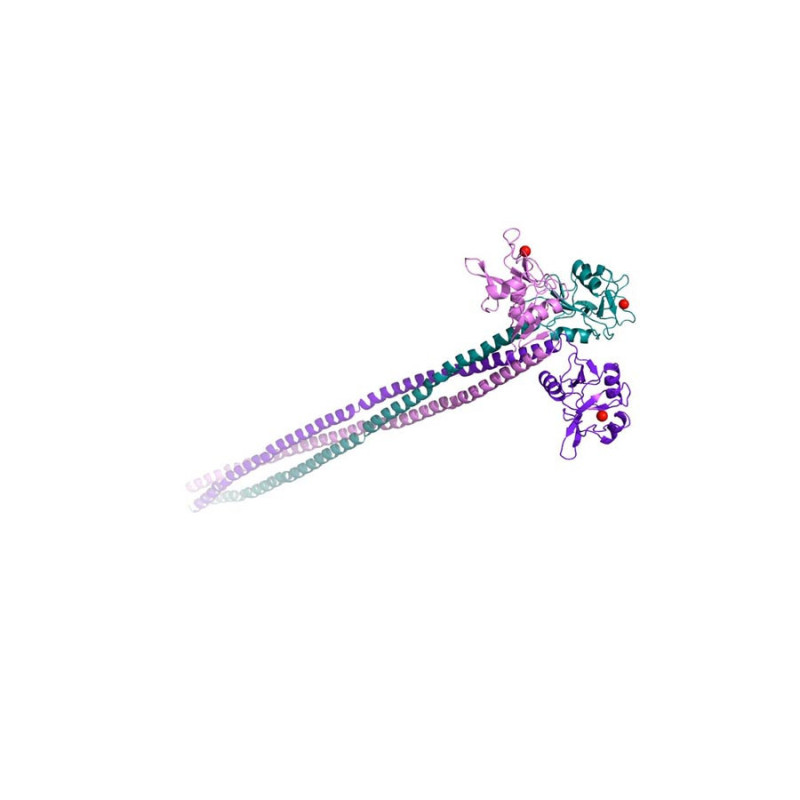
DC-SIGN ECD (Extra-Cellular Domain) Introduction DC-SIGN (Dendritic Cell-Specific Intercellular adhesion molecule-3-Grabbing Non-integrin), also known as CD209,…
Quote on requestIn stock
Langerin ECD (extra-cellular domain)

Langerin ECD (extra-cellular domain)

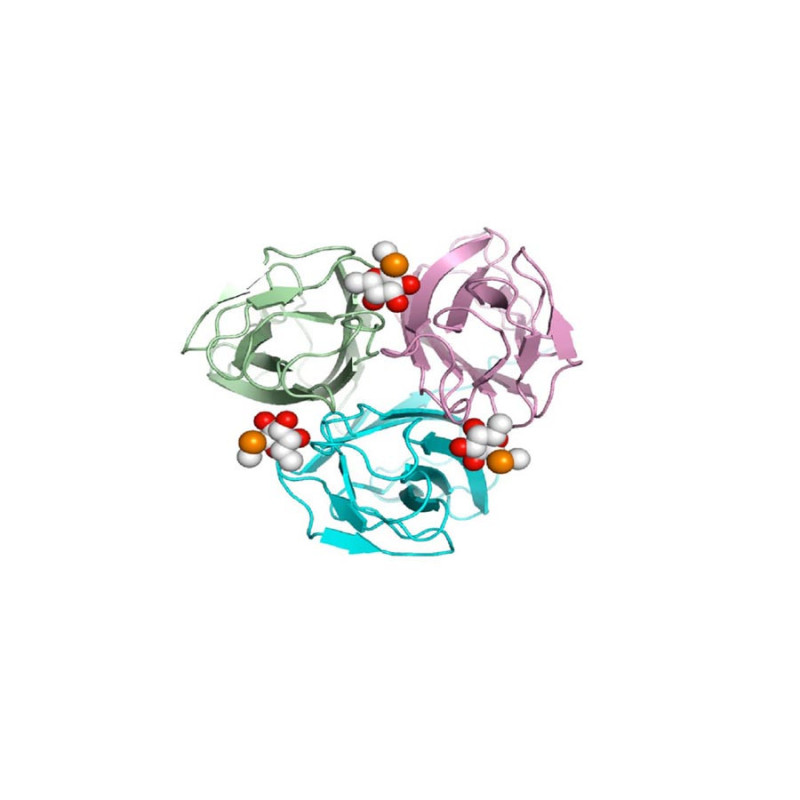
Langerin ECD (Extra-Cellular Domain) Introduction Langerin is a C-type lectin receptor primarily expressed on the surface of Langerhans cells, a subset of dendr…
Quote on requestIn stock
BC2LC-Nt from Burkholderia cenocepacia

BC2LC-Nt from Burkholderia cenocepacia

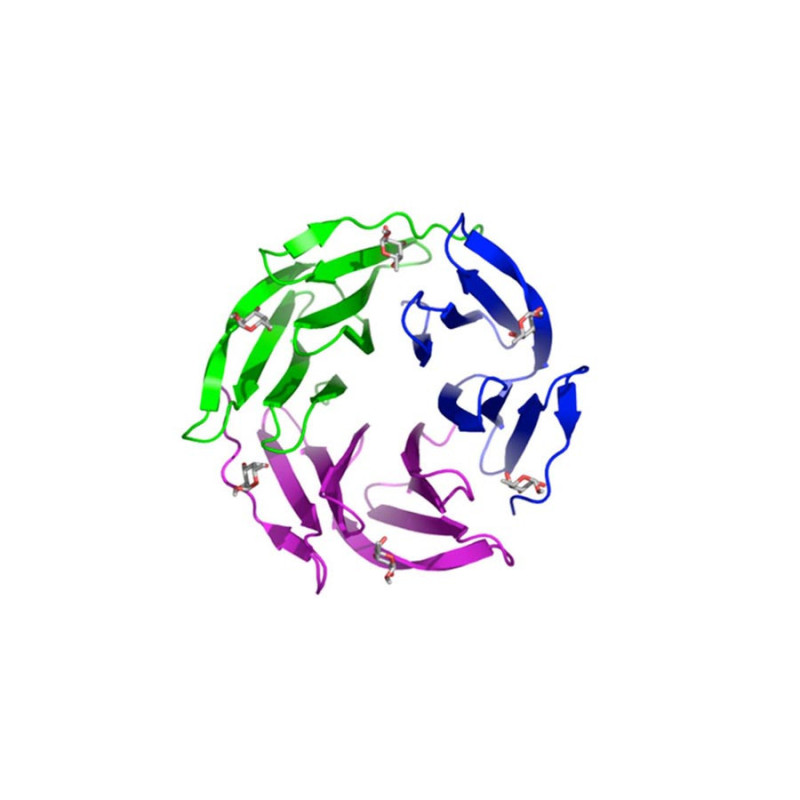
BC2LC-Nt from Burkholderia cenocepacia Introduction BC2LC-Nt is the N-terminal domain of the BC2L-C lectin, a superlectin produced by Burkholderia cenocepacia ,…
Quote on requestIn stock
RSL from Ralstonia solanacearum

RSL from Ralstonia solanacearum

RSL (Ralstonia Solanacearum Lectin) is indeed a high-purity laboratory reagent designed for research and development purposes only, not intended for human or an…

Quote on requestIn stock