About this product
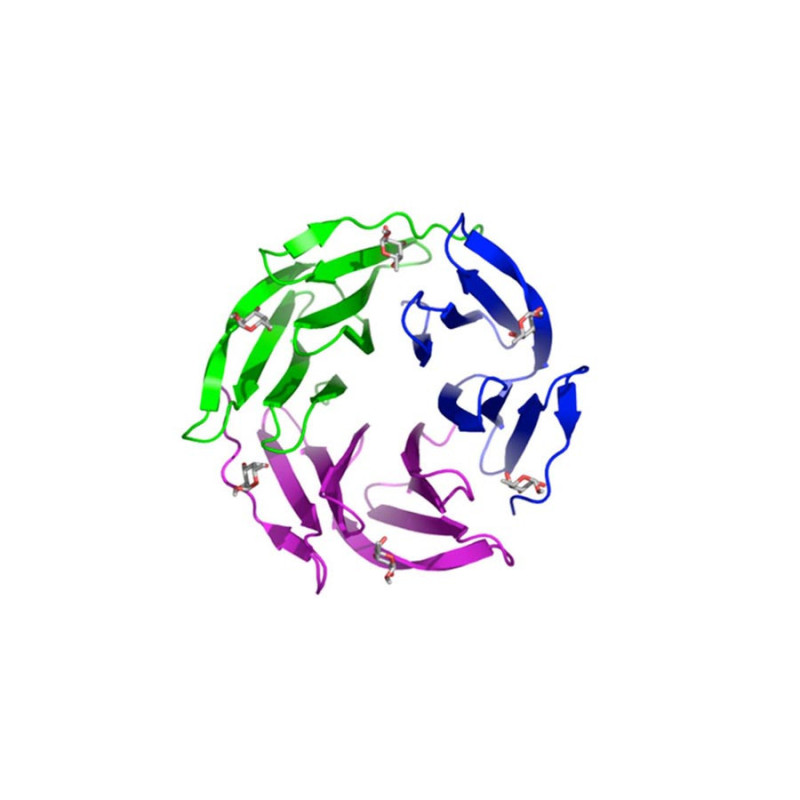
BC2LC-Nt from Burkholderia cenocepacia
Introduction
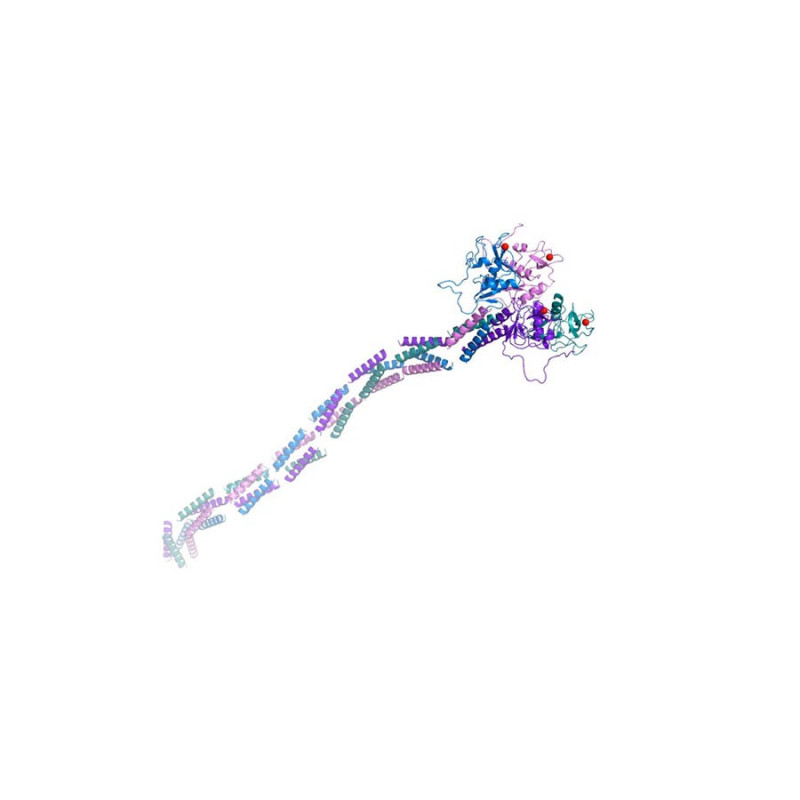
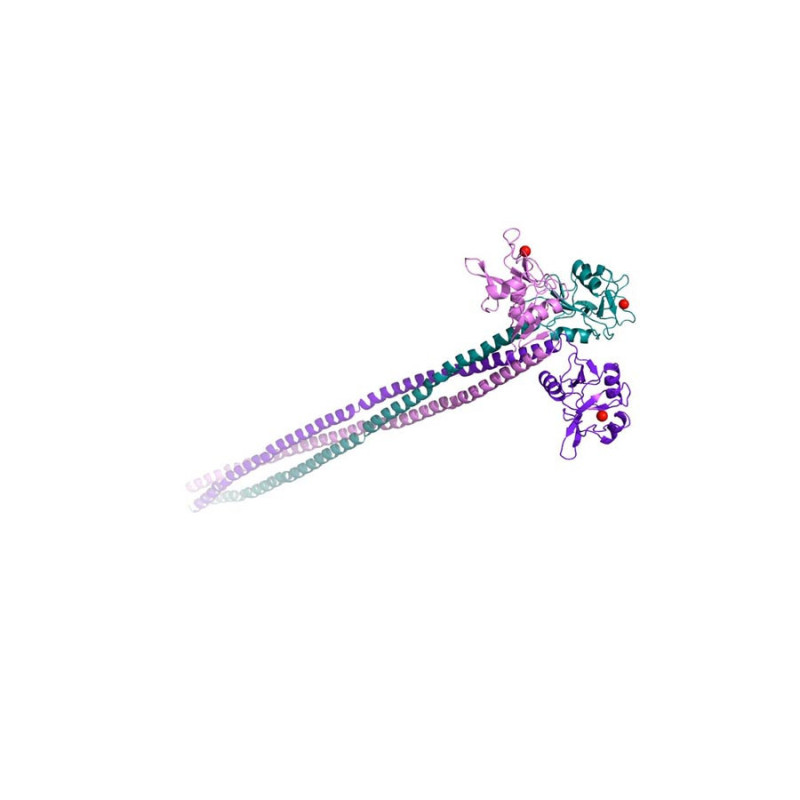
BC2LC-Nt is the N-terminal domain of the BC2L-C lectin, a superlectin produced by Burkholderia cenocepacia , an opportunistic Gram-negative bacterium known for causing severe infections, particularly in patients with cystic fibrosis or immunocompromised conditions. This lectin plays a crucial role in bacterial adhesion and biofilm formation, contributing to the virulence of B. cenocepacia .
Structure and function
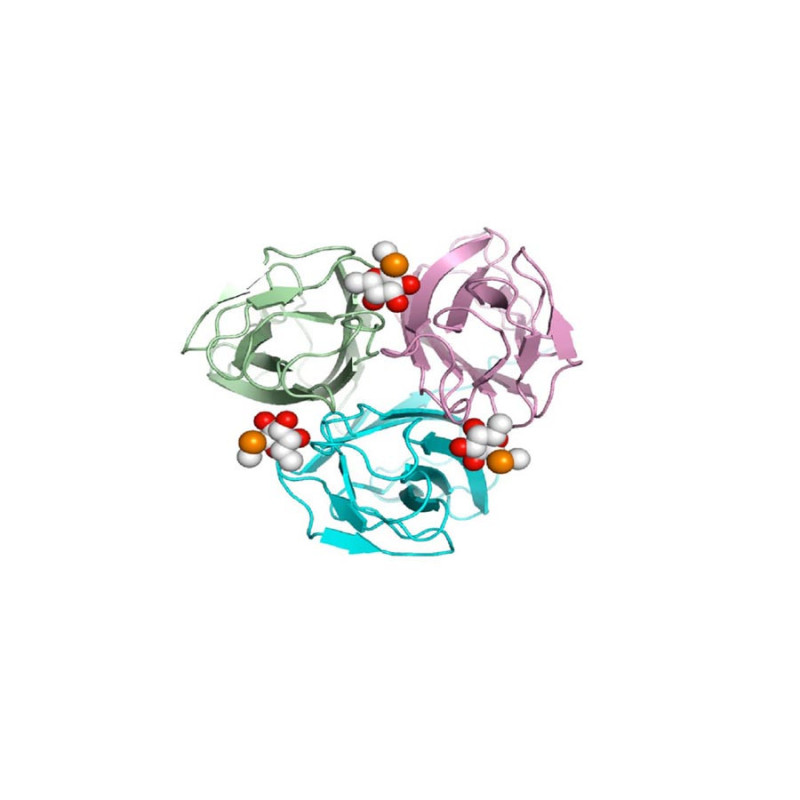
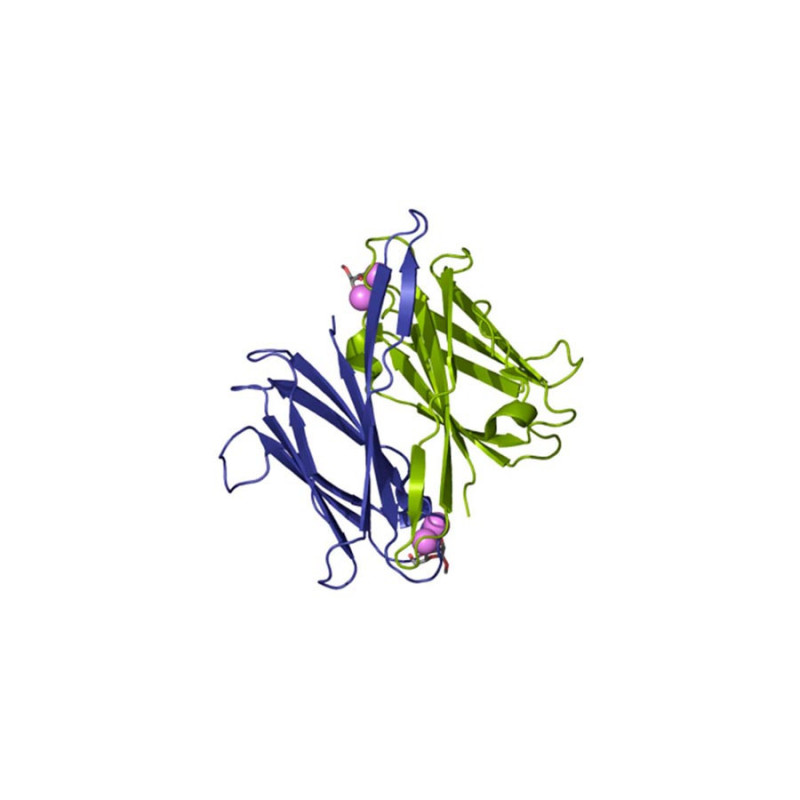
Domain Structure : BC2L-C, the parent lectin of BC2LC-Nt, consists of two distinct domains: an N-terminal TNF-α-like domain and a C-terminal domain similar to calcium-dependent bacterial lectins. The N-terminal domain (BC2LC-Nt) specifically binds to fucosylated human histo-blood group epitopes, while the C-terminal domain binds to mannose and L- glycero -D- manno -heptose .
Biological Activity : BC2LC-Nt triggers IL-8 production in cultured airway epithelial cells in a carbohydrate-independent manner, contributing to a dysregulated proinflammatory response during infections.
Characteristics
Molecular Weight : The BC2LC-Nt monomer has a molecular weight of approximately 19.26 kDa.
Production : BC2LC-Nt is commonly produced in E. coli for research purposes and is not intended for human or animal use.
Role in infection
Adhesion and Biofilm Formation : BC2LC-Nt, as part of BC2L-C, facilitates the adhesion of B. cenocepacia to human epithelial cells, promoting biofilm formation and enhancing bacterial virulence .
Target for Therapeutic Developments : The interaction between BC2LC-Nt and its target fucosylated oligosaccharides is being explored for the development of glycomimetic antagonists to inhibit bacterial adhesion and biofilm formation, offering a potential therapeutic strategy against B. cenocepacia infections.
Research Applications
BC2LC-Nt is used as a laboratory reagent for studying bacterial adhesion mechanisms and developing anti-adhesive therapies. Its structural and functional characteristics make it an important model for understanding the pathogenicity of B. cenocepacia and for designing novel therapeutic agents
Citations:
https://pubmed.ncbi.nlm.nih.gov/36174276/
https://pmc.ncbi.nlm.nih.gov/articles/PMC9594048/
https://pmc.ncbi.nlm.nih.gov/articles/PMC3164656/
https://www.rcsb.org/structure/4aoc
https://chemrxiv.org/engage/api-gateway/chemrxiv/assets/orp/resource/item/60c75032337d6c3cc2e2825e/original/prediction-and-validation-of-a-druggable-site-on-virulence-factor-of-drug-resistant-burkholderia-cenocepacia.pdf
https://www.rcsb.org/structure/2WQ4
https://www.elicityl-oligotech.com/free-lectins/580-bc2lc-nt-from-burkholderia-cenocepacia---bacterial-protein-produced-in-e--coli.html
https://www.amerigoscientific.com/bc2lc-nt-from-burkholderia-cenocepacia-bacterial-protein-produced-in-e-coli-item-315770.html