About this product
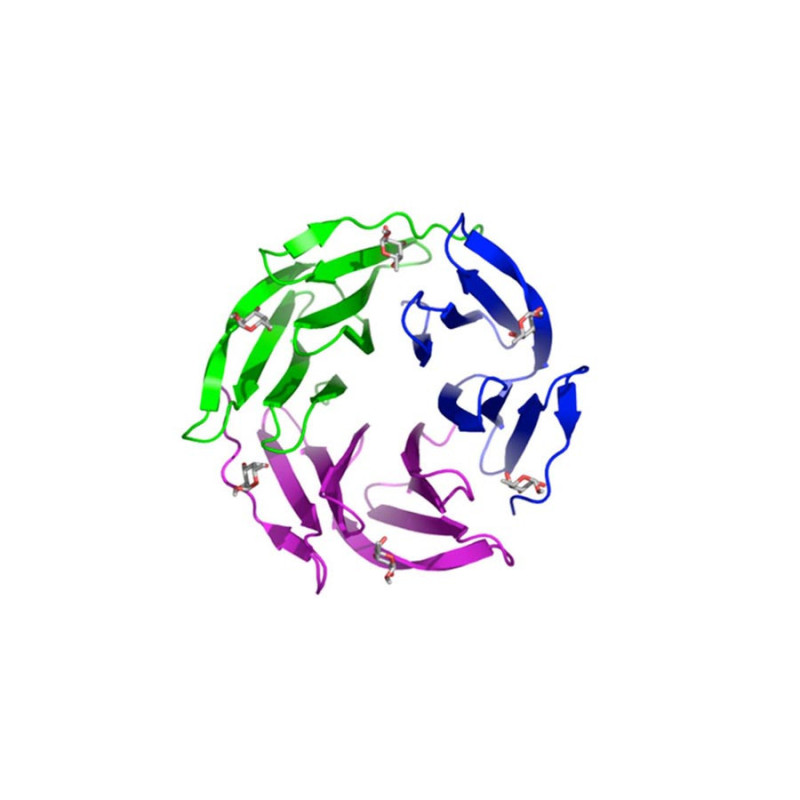
DC-SIGN ECD (Extra-Cellular Domain)
Introduction
DC-SIGN (Dendritic Cell-Specific Intercellular adhesion molecule-3-Grabbing Non-integrin), also known as CD209, is a C-type lectin receptor primarily expressed on the surface of dendritic cells and macrophages. The extra-cellular domain (ECD) of DC-SIGN plays a crucial role in recognizing and binding to pathogens, facilitating their uptake and presentation to T-cells. This process is essential for initiating immune responses against infections.
Structure
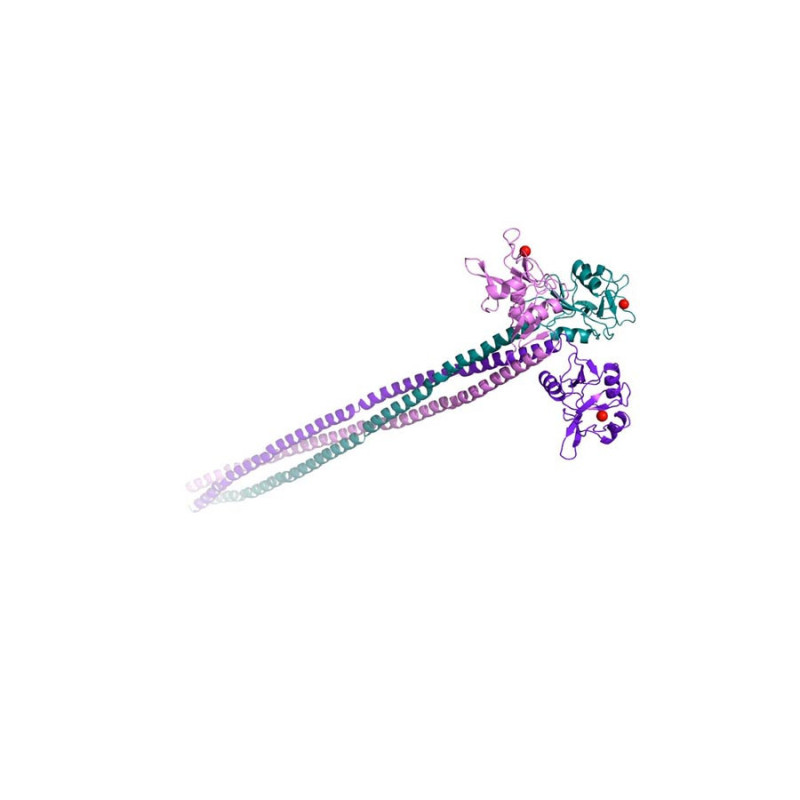
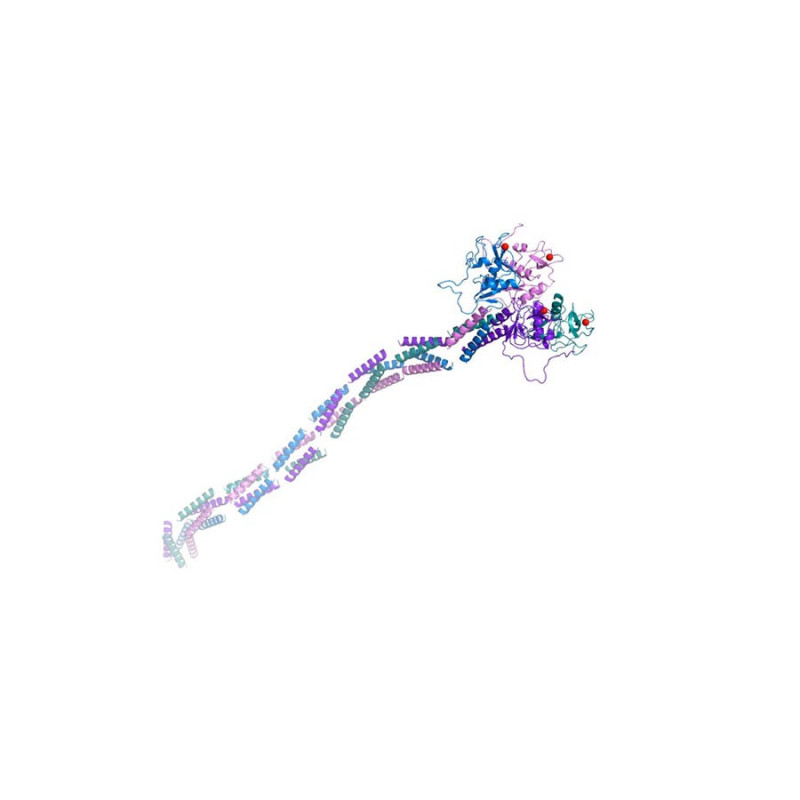
The ECD of DC-SIGN consists of two main components:
Neck Region : This part contains seven and a half repeats of a 23-amino acid motif. These repeats are crucial for the tetramerization of DC-SIGN, which enhances its binding affinity to pathogens .
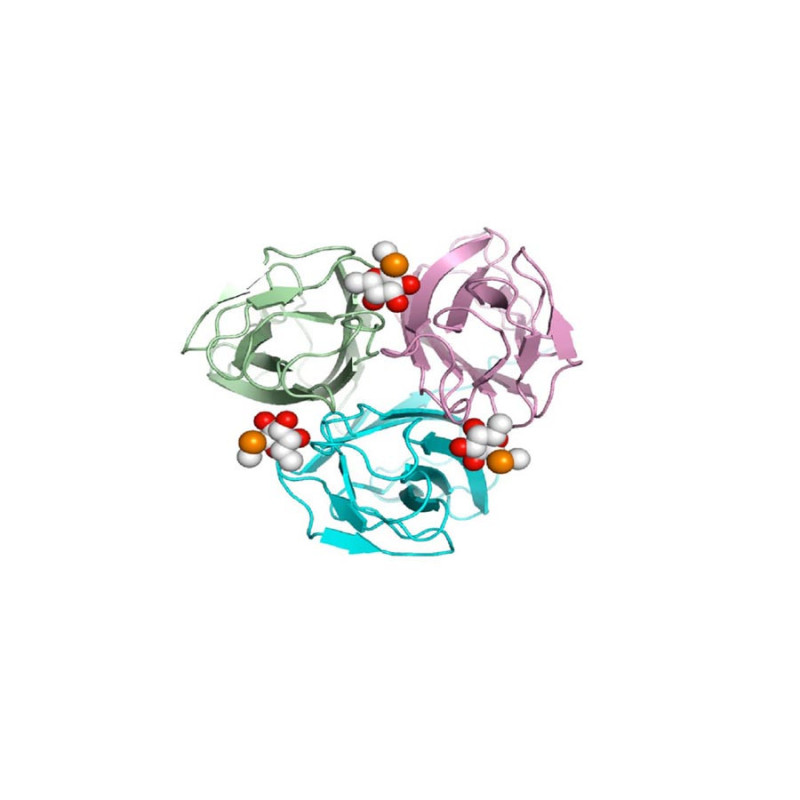
Carbohydrate Recognition Domain (CRD) : Located at the C-terminus of the ECD, the CRD is responsible for binding to high-mannose and fucose-containing glycoproteins on the surface of pathogens. This binding is calcium-dependent and is essential for the formation of stable microdomains on the cell surface .
Function
Pathogen Recognition : DC-SIGN ECD binds to a wide range of pathogens, including viruses (e.g., HIV, Hepatitis C), bacteria, and fungi, by recognizing specific carbohydrate structures such as high-mannose N-glycans and fucosylated residues .
Immune Response Initiation : By capturing pathogens, DC-SIGN facilitates their internalization and processing, leading to antigen presentation to T-cells. This process is critical for initiating adaptive immune responses .
Microdomain Formation : The CRD of DC-SIGN's ECD is essential for the formation of stable microdomains on the cell surface. These microdomains are crucial for efficient pathogen recognition and uptake .
Biological Significance
Infection and Disease : DC-SIGN's ability to bind pathogens can also contribute to disease progression by facilitating viral entry into host cells. For example, it acts as a co-receptor for HIV and Hepatitis C viruses .
Therapeutic Target : Understanding the structure and function of DC-SIGN's ECD is important for developing therapeutic strategies aimed at modulating immune responses or blocking pathogen entry into host cells.
Research Applications
The ECD of DC-SIGN is a valuable tool for studying pathogen recognition and immune response mechanisms. Its structural and functional characteristics make it an attractive target for designing glycomimetic inhibitors or vaccines that can modulate DC-SIGN-mediated interactions with pathogens.
Citations:
https://glycopedia.eu/echapter/the-mechanism-of-hiv-entry-to-the/structure-and-function-of-c-type/
https://onlinelibrary.wiley.com/doi/full/10.1111/j.1600-0854.2012.01337.x
https://pubs.acs.org/doi/10.1021/bi5005014
https://en.wikipedia.org/wiki/DC-SIGN
https://pmc.ncbi.nlm.nih.gov/articles/PMC7094344/