About this product
Langerin ECD (Extra-Cellular Domain)
Introduction
Langerin is a C-type lectin receptor primarily expressed on the surface of Langerhans cells, a subset of dendritic cells found in the skin. The extra-cellular domain (ECD) of langerin plays a crucial role in recognizing and binding to pathogens, facilitating their internalization and processing for antigen presentation. This process is essential for initiating immune responses against infections.
Structure
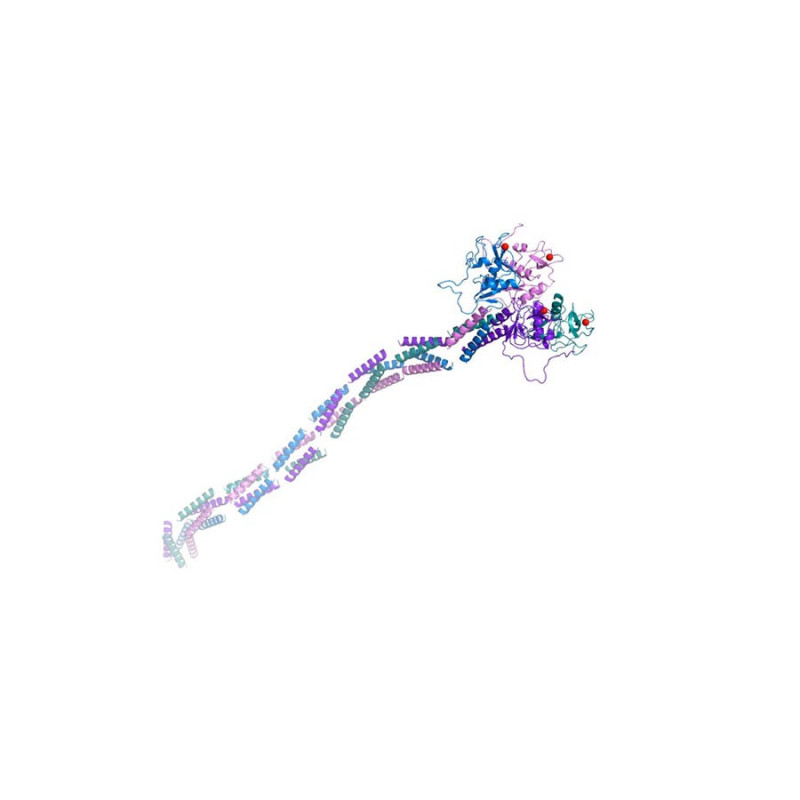
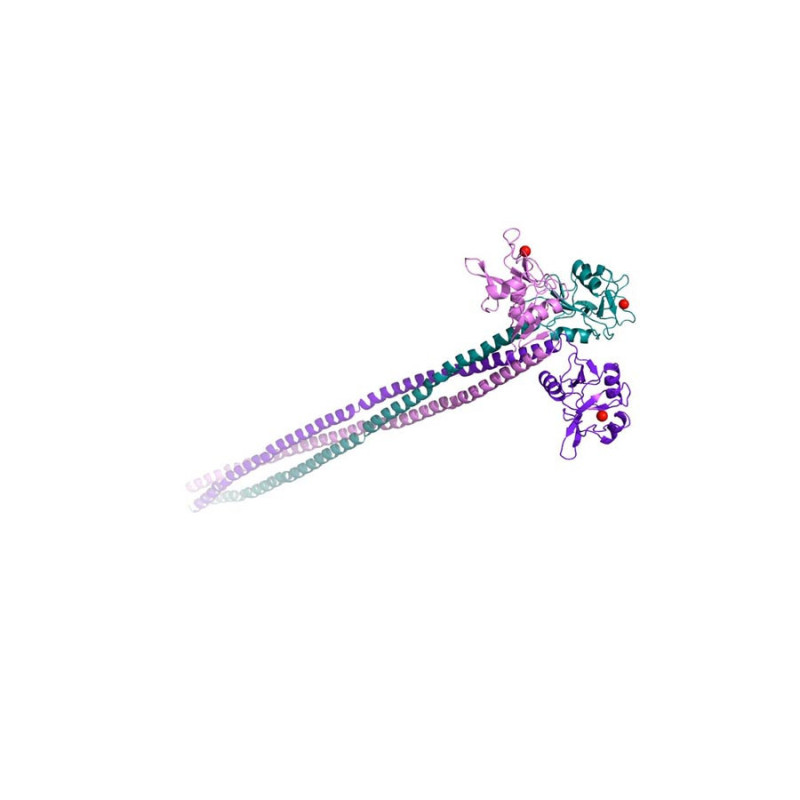
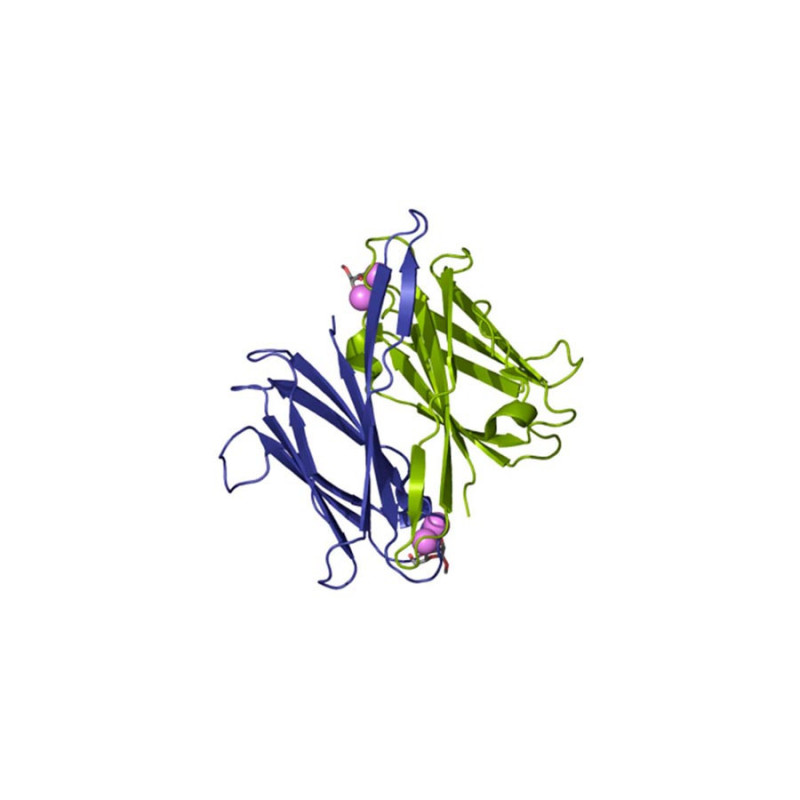
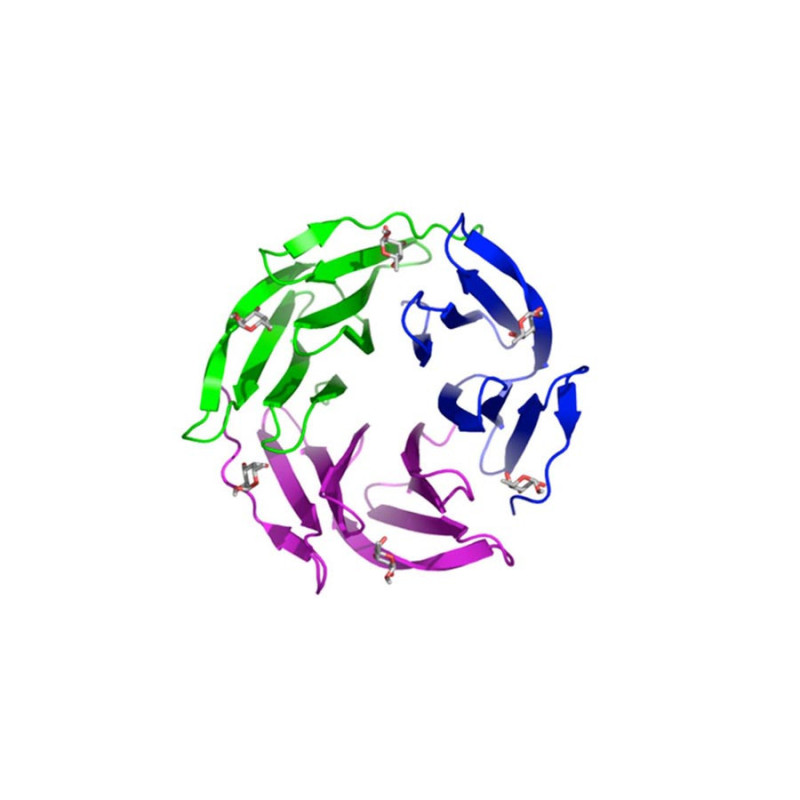
Neck Region : The ECD of langerin includes a neck region composed of heptad repeats, which form a coiled coil structure that stabilizes the trimeric form of the protein.
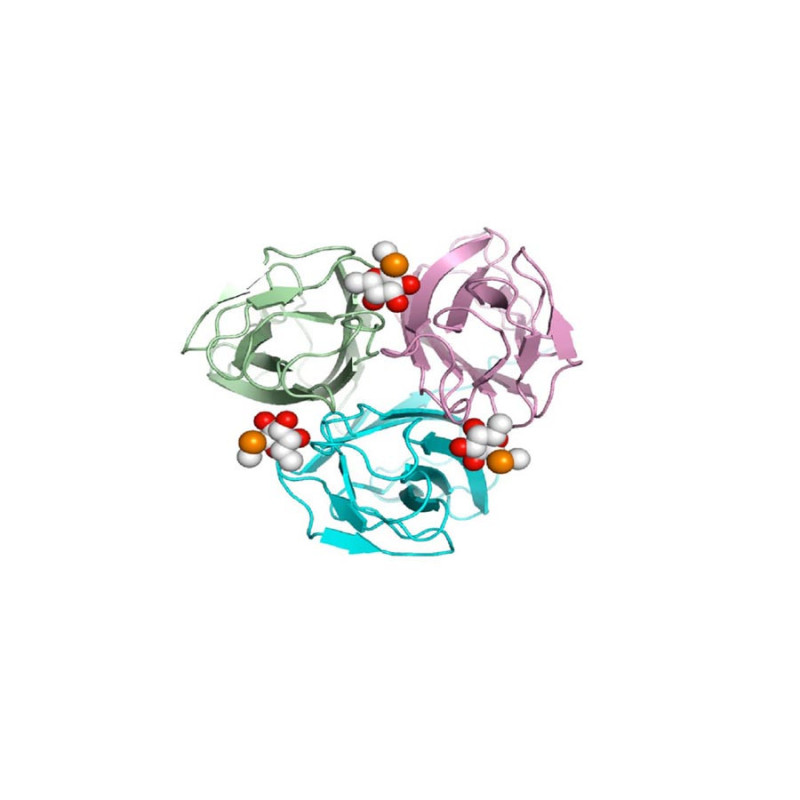
Carbohydrate Recognition Domain (CRD) : Located at the C-terminus, the CRD features a glutamate-proline-asparagine (EPN) motif and is responsible for binding to mannose, N-Acetylglucosamine (GlcNAc), and fucose-containing structures. The CRD is crucial for the formation of Birbeck granules, characteristic organelles of Langerhans cells.
Function
Pathogen Recognition : Langerin's ECD binds to high-mannose oligosaccharides on pathogens such as viruses (e.g., HIV), bacteria, and fungi, facilitating their internalization into Birbeck granules.
Immune Response Initiation : By capturing pathogens, langerin aids in their processing and presentation to T-cells, contributing to adaptive immune responses.
Birbeck Granule Formation : The CRD of langerin's ECD is essential for the formation of Birbeck granules, which are involved in the internalization and processing of antigens.
Biological Significance
Infection and Disease : Langerin's ability to bind pathogens can contribute to disease progression but also serves as a mechanism for innate antiviral defense by internalizing viruses into Birbeck granules.
Therapeutic Target : Understanding the structure and function of langerin's ECD is important for developing therapeutic strategies aimed at modulating immune responses or blocking pathogen entry into host cells.
Research Applications
Langerin's ECD is used as a model for studying pathogen recognition and immune response mechanisms. Its structural and functional characteristics make it an attractive target for designing glycomimetic inhibitors or vaccines that can modulate langerin-mediated interactions with pathogens.
Mutations and Variations
Polymorphisms in langerin can affect its sugar-binding activity and stability, potentially influencing susceptibility to infections. Mutations such as the W264R form alter the CRD structure and binding properties. Other mutations can result in structural changes to Birbeck granules, affecting their function.
Citations:
https://www.frontiersin.org/articles/10.3389/fmed.2022.909057/full
https://pubs.acs.org/doi/abs/10.1021/bi802151w
https://pdbj.org/mine/summary/3C22
https://www.rcsb.org/structure/4ak8
https://academic.oup.com/glycob/article/13/5/401/602774
https://onlinelibrary.wiley.com/doi/full/10.1038/icb.2010.32